
‹
›
‹
›
Product Description
At a Glance
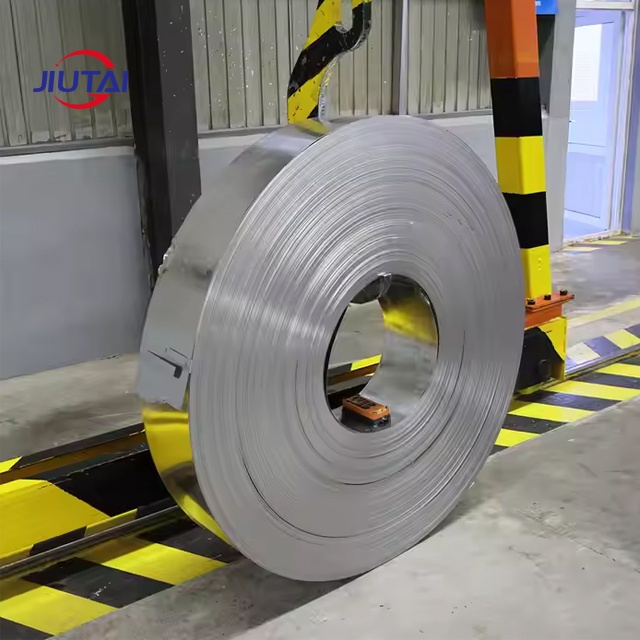
2205 is the most widely used duplex grade. Its structure is roughly half ferrite and half austenite, and each phase contributes something: ferrite brings strength and resistance to chloride stress corrosion cracking, austenite brings toughness and weldability. The headline number is yield strength at 450 MPa — about twice 304 — which usually means you can design thinner and buy less weight.
What the Two-Phase Structure Buys You
The usual trade-off in stainless is strength against corrosion resistance — you get one or the other. Duplex breaks that trade-off. Ferrite raises yield strength to 450 MPa and resists chloride stress corrosion cracking, the failure mode that destroys 304 and 316L in warm chloride service. Austenite keeps the material tough and weldable so it can actually be fabricated. The practical payoff is in the design: at roughly double the yield strength of 304, wall thickness can come down, and the saving in weight often pays back the higher price per kilogram.
Where 2205 Coil Gets Used
Grade Cross-Reference
Chemical Composition (ASTM A240, % by weight)
Mechanical Properties (annealed, room temperature)
Surface Finish Guide
Size Range & Weight
Figures are calculated from the alloy density and are for estimating only — actual weight follows the mill's measured thickness.
Processing Services
Where 2205 Is the Wrong Choice
Continuous service above roughly 300 °C precipitates sigma phase and embrittles the material. For hot work, use 321, 310S or a nickel alloy.
At 25% elongation, formability is limited compared with 40% for 304. Deep drawing and tight bending are difficult — tell us the forming steps before ordering.
It is magnetic. If the specification says non-magnetic, duplex is the wrong family.
Welding needs procedure control. Heat input and interpass temperature must be managed, and the filler must be 2209 — never 308 or 316.
Ordering & Delivery
FAQ
Is 2205 magnetic?
Yes, and that is normal. The ferrite phase in the structure makes it magnetic. It is not a defect.
Can I weld it with 316 filler?
No. Use 2209 (ER2209). The filler is deliberately over-alloyed with nickel so the weld metal keeps the correct ferrite-austenite balance.
2205 or 316L?
If chlorides, warm temperatures or strength are in the picture, 2205. If the job is mild and indoor, 316L is cheaper and easier to form.
Why the 300 °C limit?
Above roughly 300 °C, sigma phase precipitates at the grain boundaries and the material loses toughness. It is a metallurgical ceiling, not a suggestion.
Can I use thinner material and save weight?
Usually yes — that is the main reason to specify duplex. At 450 MPa yield against 205, wall thickness can often come down enough to offset the higher kilogram price.
S31803 or S32205?
S32205 is the tighter, current specification with narrower ranges for chromium, molybdenum and nitrogen. We supply S32205 and can dual certify where the drawing calls for it.
Tell Us Four Things — We'll Come Back With a Price
2205 enquiries — send the service temperature and the chloride content and we will confirm whether duplex is right, or whether 316L would do.
01 Grade — 2205, and whether you need dual certification
02 Thickness × width, and coil or slit strip
03 Finish — 2B, No.1 or No.4
04 Quantity, service temperature and chloride level
WhatsApp: +86 13516180717 Email: jiutai@hanyang-steel.com
We come back with a written quote within 12 hours, Shanghai time — price, lead time, packing and loading port on one page. No forms, no waiting on a callback.
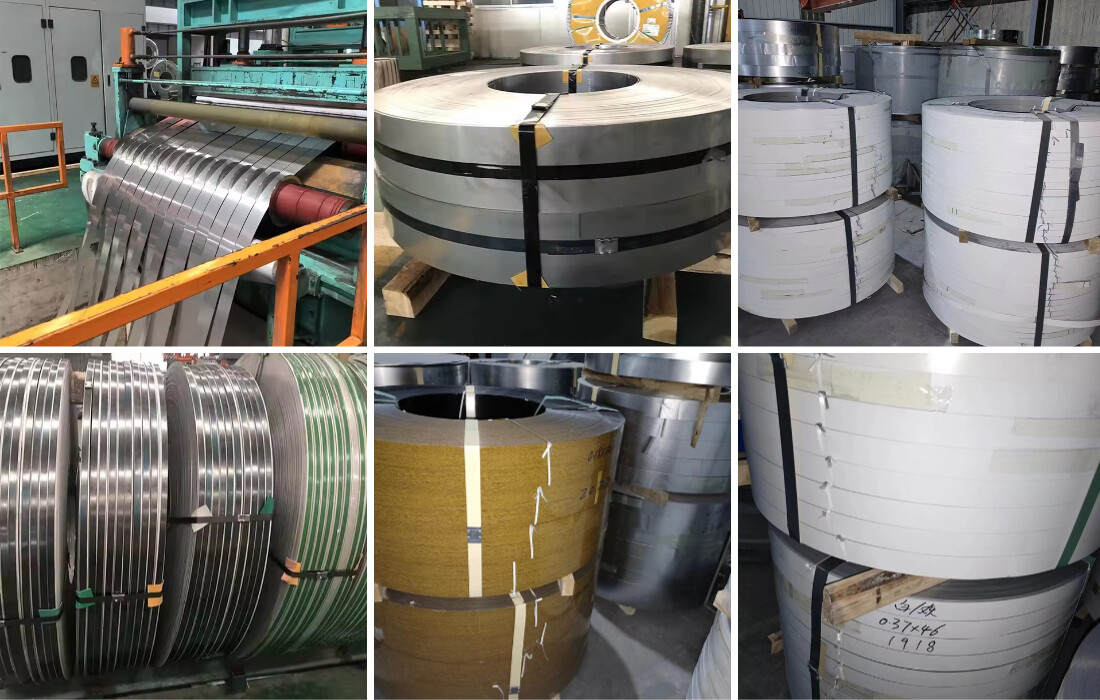
Product Show
Partner







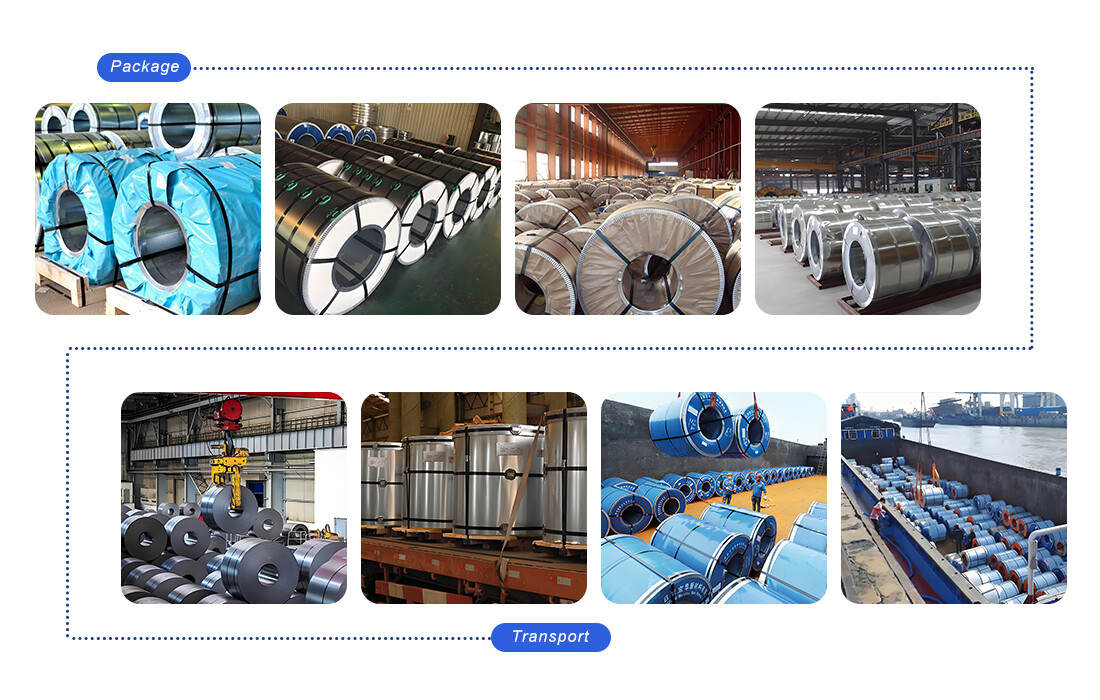
Packaging and Shipping
Get Your Free Quote Now!
Related Products
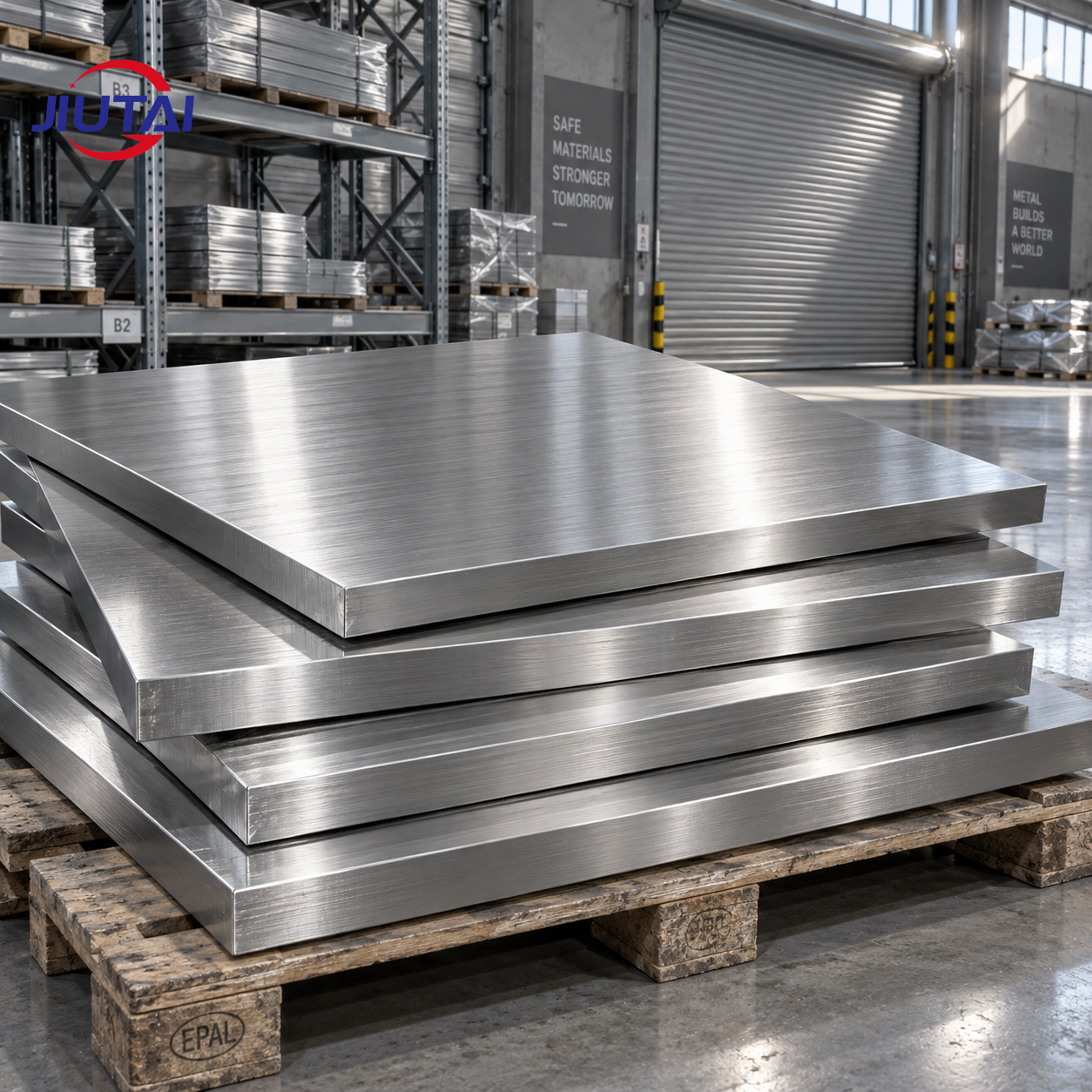
 ASTM A240 304 Stainless Steel Sheet & PlateSheet and plate is what you want when the part is flat and cut rather than wound — tank shells, vessel heads, flanges, base plates, wall cladding, cut profiles. Coil is the same material in a different form; if your line takes a continuous wound length, see our 304 Coil & Strip page instead.
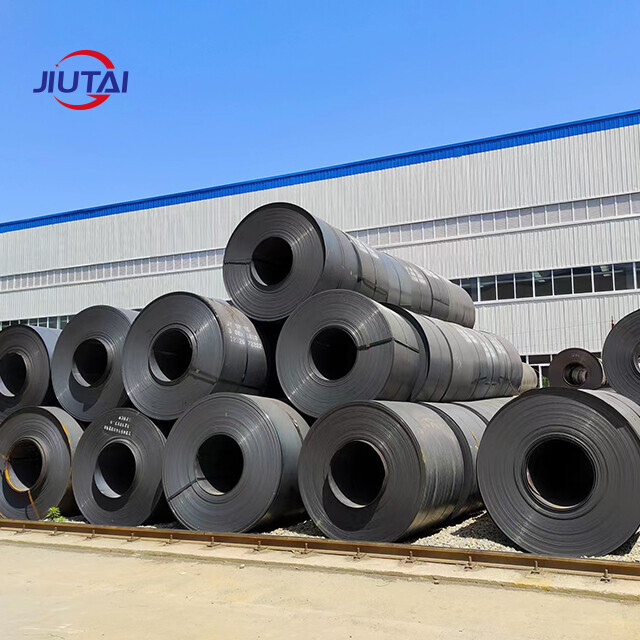
 Carbon Steel CoilCarbon steel coil is a commonly used metal material with wide applications in many fields. It has good mechanical properties and processing properties and is widely used in automobile manufacturing, shipbuilding, construction, bridges and other fields.
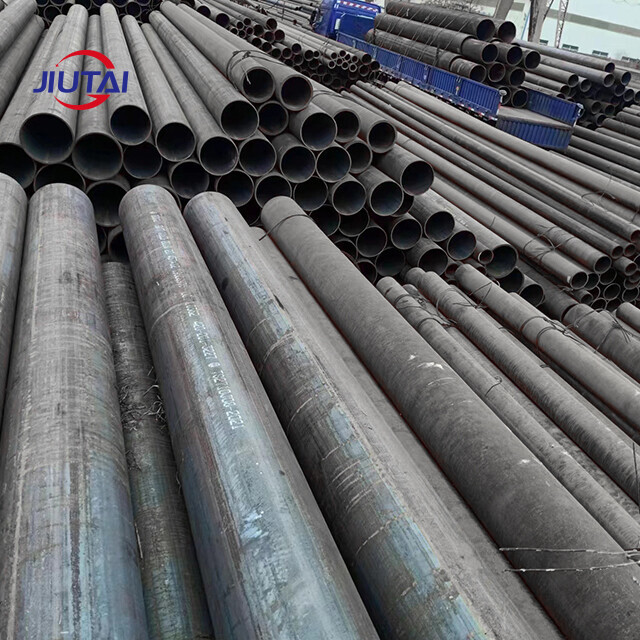
 Seamless PipeSeamless pipe is a long strip of steel with a hollow section and no seams around it. According to the cross-sectional shape, seamless pipes can be divided into circular steel pipes, square steel pipes, special-shaped seamless steel pipes, rectangular seamless pipes, etc. Seamless pipes are widely used in fluid transportation, boiler manufacturing, engineering machinery and other fields due to their unique structure and properties.

Thank you very much for writing to us. Please leave your message and contact information, we will reply to you within 24 hours.