
SEARCH
PRODUCT SERIES
QUOTATION REQUEST

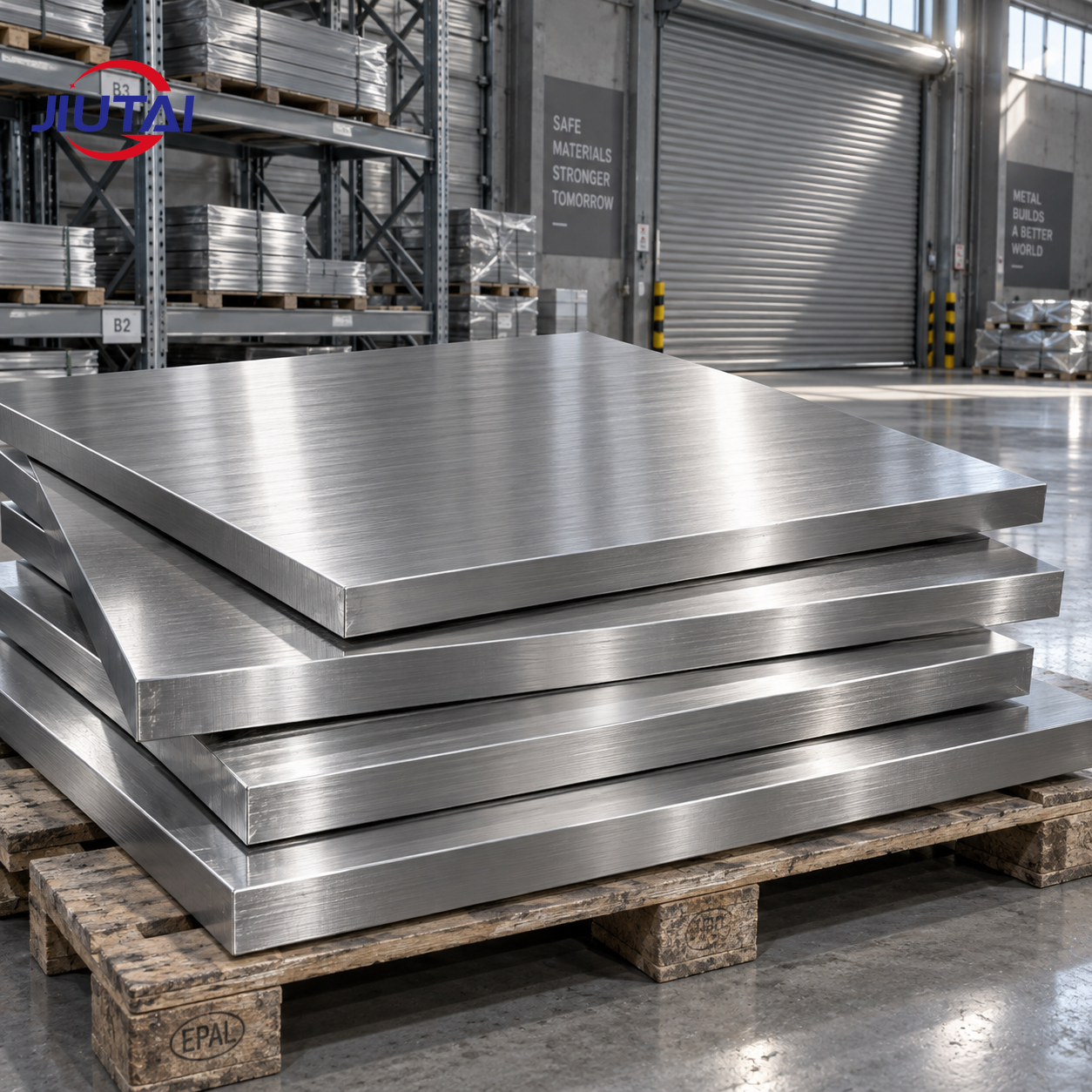
 ASTM A240 304 Stainless Steel Sheet & PlateSheet and plate is what you want when the part is flat and cut rather than wound — tank shells, vessel heads, flanges, base plates, wall cladding, cut profiles. Coil is the same material in a different form; if your line takes a continuous wound length, see our 304 Coil & Strip page instead.
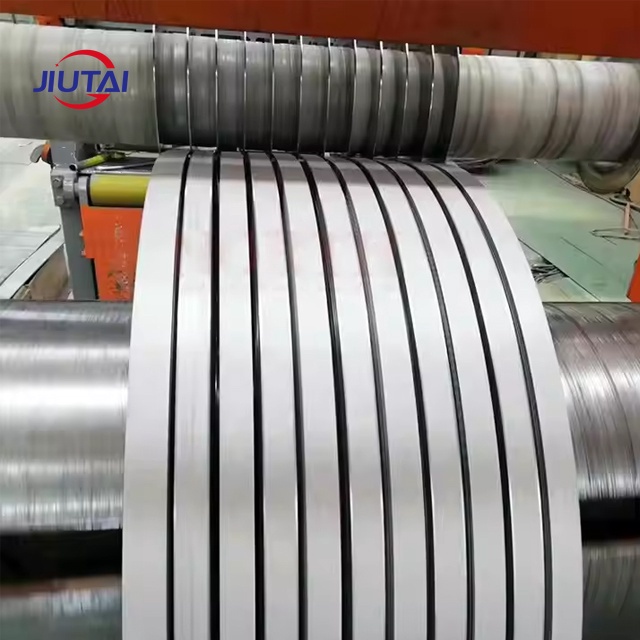
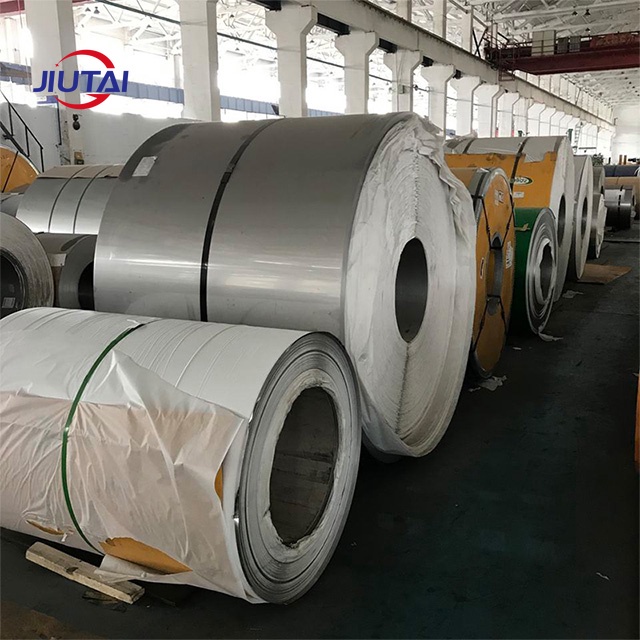
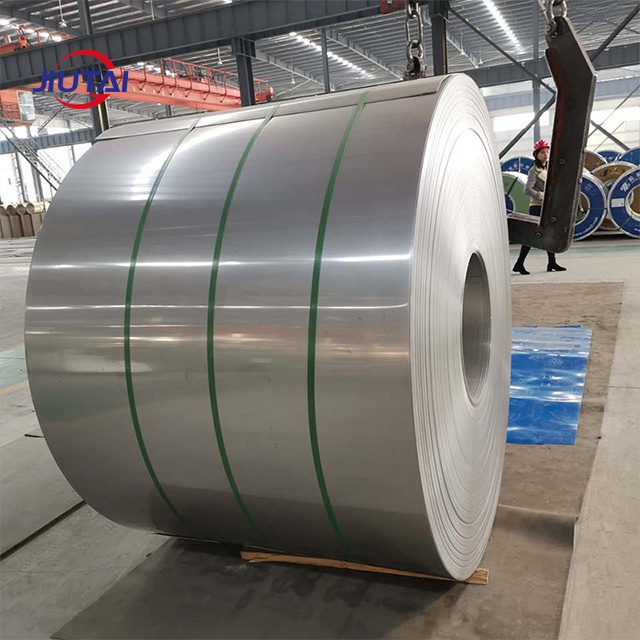
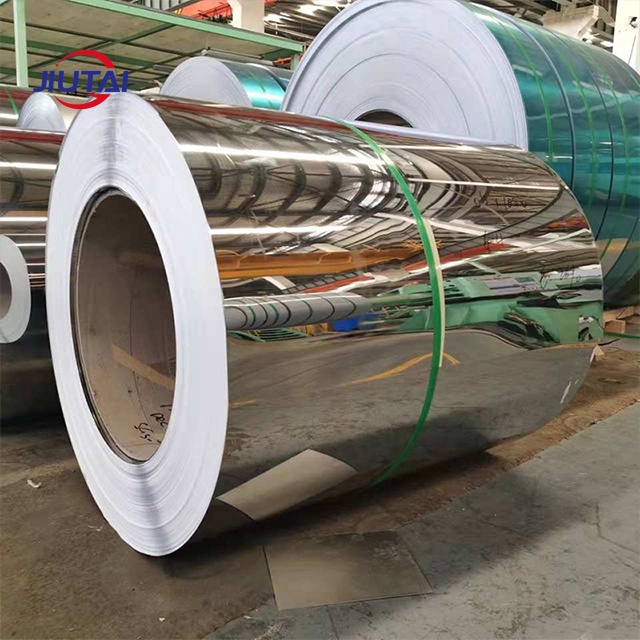
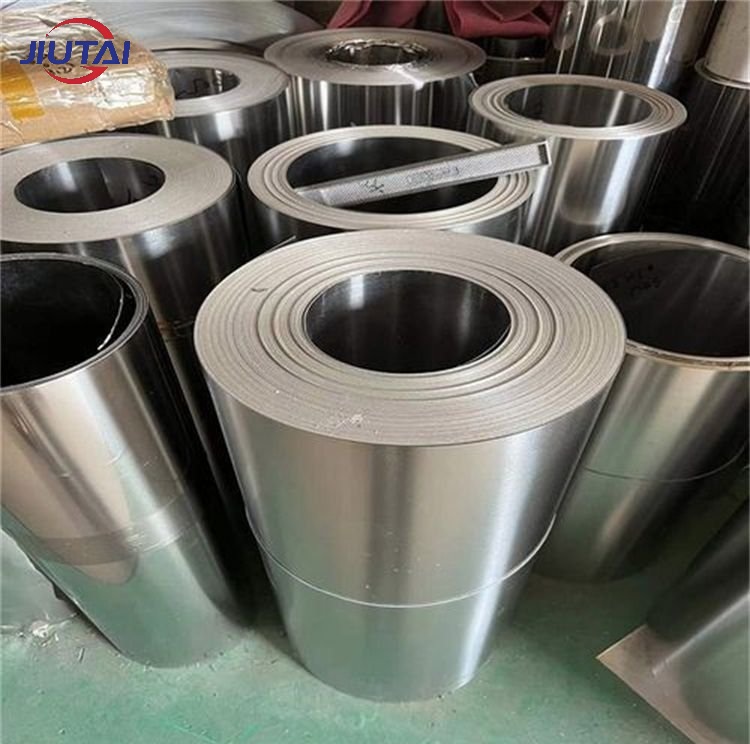
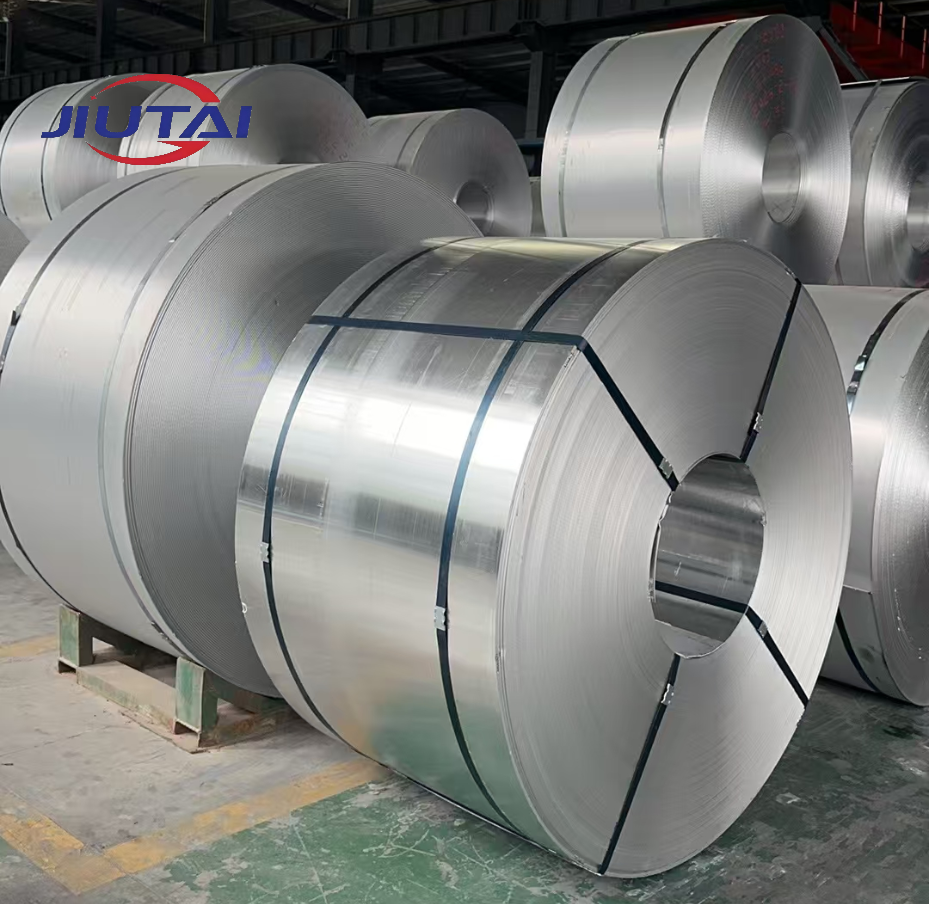
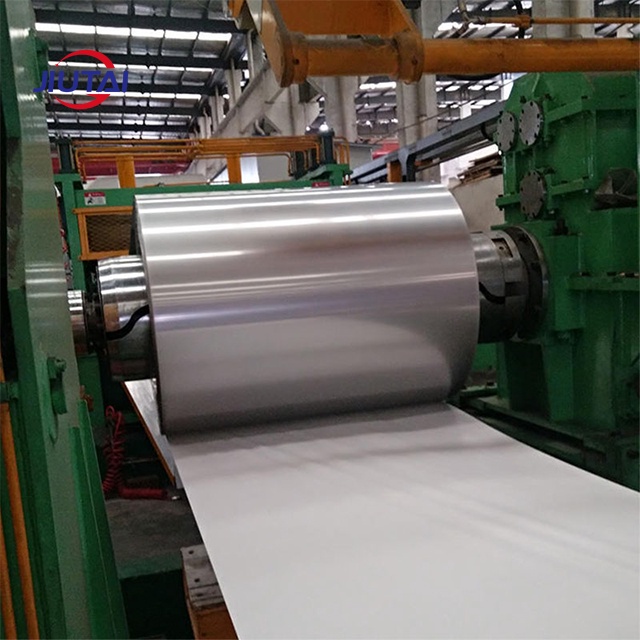
 Stainless Steel Coil & StripCoil and strip are the same material in two delivery forms. This page covers every grade we run in coil — pick your form, then your grade, then your finish. If you already know the grade, go straight to that grade's coil page for full technical detail.
- ASTM A240 304 Stainless Steel Coil & Strip304 is the grade most buyers start with, and for good reason — it handles corrosion, forming and welding well enough for the great majority of fabrication work, and it is stocked everywhere. This page covers the coil and strip form: continuous length, wound, for anyone running a roll former, a press line, a slitting line or a cut-to-length machine. If you want flat pieces instead of a wound coil, see our 304 Sheet & Plate page.
- ASTM A240 201 Stainless Steel Coil & Strip201 exists for one commercial reason: it delivers an austenitic, non-magnetic-in-the-annealed-state, bright-finished stainless at a material cost that does not move with the nickel price. Standard 304 carries 8–10.5% nickel. 201 replaces roughly half of that with manganese and nitrogen, which are cheap and stable. The austenite structure is held together by the nitrogen, so the grade still forms, still polishes, and still comes off the line looking like stainless steel.
The trade is corrosion resistance. 201 sits below 304 in the pitting resistance ranking — its chromium is lower and its nickel is lower, so the passive film is thinner and repairs itself more slowly after mechanical damage. For indoor dry service that difference never shows up. Outdoors, near the coast, or in contact with chlorides and mild acids, it shows up quickly. - ASTM A240 304L Stainless Steel Coil & Strip304L is not a better 304. It is a narrower one — built for a single job, and that job is welding. Standard 304 permits up to 0.08% carbon. Heat the heat-affected zone into the 425–815 °C band during welding and that carbon bonds with chromium, pulling it out of solid solution and leaving the grain boundaries chromium-starved. The weld line then rusts while the rest of the sheet stays bright. That is sensitisation, and it is the most common way a stainless fabrication fails in service.
304L caps carbon at 0.030%. There is not enough of it to strip the chromium, so welded assemblies go into service without post-weld annealing. For tanks, vessels, ducting and any part that is welded and then lives in a wet or chemically aggressive environment, 304L is the cheapest grade that actually works.  ASTM A240 430 Stainless Steel Coil & Strip430 is the grade buyers move to when two things are true at once: the part does not need the corrosion resistance or the forming range of 304, and the buyer is tired of quotations that move with the nickel price. 430 contains essentially no nickel. Its price tracks chromium and steel making costs, which makes it predictable enough to build a product line around.
It is ferritic, which changes how it behaves on the line. It is magnetic in every condition — useful for anything that has to hold a magnet, and a problem if it does not. It has better thermal conductivity and a lower thermal expansion rate than 304, which is why it is the standard choice for appliance liners and anything that cycles through heat. And it resists chloride stress corrosion cracking better than any 300-series austenitic, which surprises people who assume ferritic means weaker on corrosion. ASTM A240 316 Stainless Steel Coil & Strip316 is the version buyers ask for and 316L is the version they usually need — so let us be clear about the difference first. Both carry the same 2–3% molybdenum and both resist chloride pitting equally: PREN is about 25 for both. The only meaningful difference is carbon. 316 allows 0.08%; 316L caps it at 0.030%.
That difference only matters in one place — the heat-affected zone of a weld. So 316 is the right choice when the part is not welded, or when it is welded thin and the higher carbon is not a risk. In return you get about 35 MPa more yield strength, which is why 316 is the standard specification for machined parts, fasteners, flanges and anything where the allowable stress matters more than weld decay.
In coil form that means stampings, pressed parts, spring clips, machined strip and components that go straight onto a lathe or a machining centre. If your part will be welded and then live in a corrosive environment, use 316L instead — see our 316L Coil & Strip page.- ASTM A240 316L Stainless Steel Coil & Strip316L is what you move to when 304 is not enough. The difference is molybdenum — 2 to 3 percent of it — which raises the pitting resistance equivalent number (PREN) from roughly 18 on 304 to about 25 on 316L. In practice that means it survives coastal air, chlorinated water, food-processing brines and most dilute acids that would pit 304 within a season. This page covers the coil and strip form: continuous wound length for roll forming, stamping, slitting or cut-to-length. If you want flat cut pieces instead, see our 316L Sheet & Plate page, and for hollow sections see our 316L Pipe & Tube page.
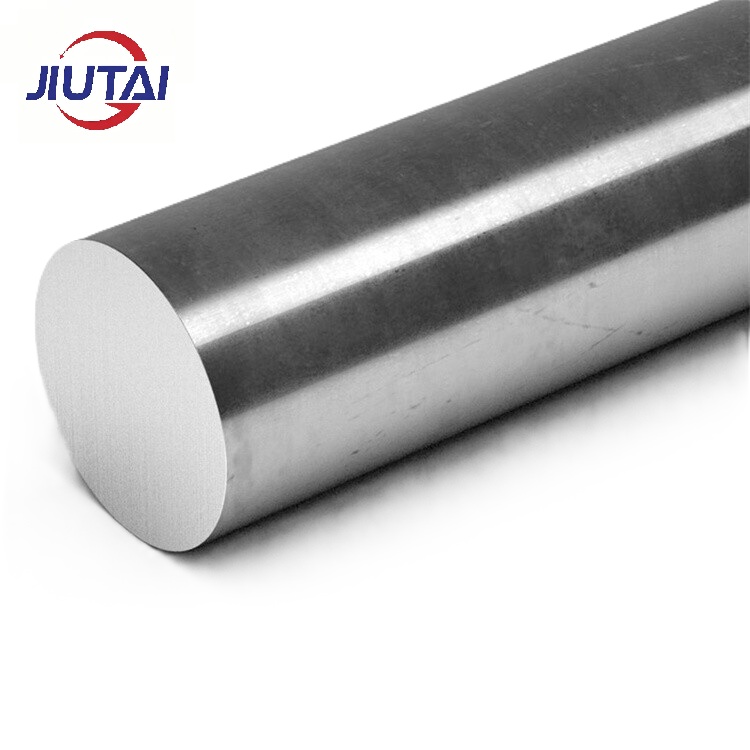
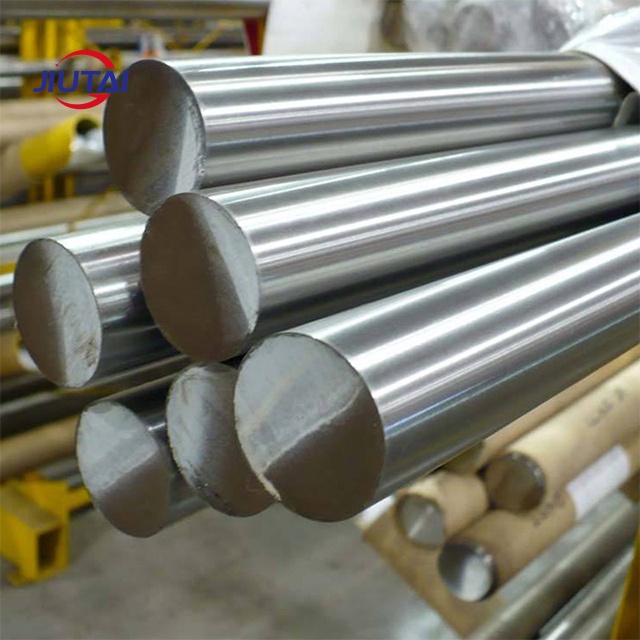
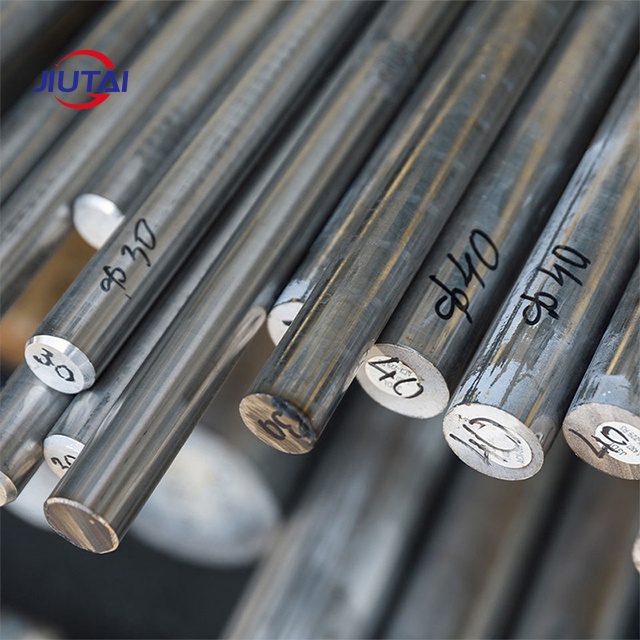
 304 Stainless Steel Bar304 is the most widely used austenitic stainless steel, offering an excellent balance of corrosion resistance, formability, and cost. It is the standard grade for general-purpose machining and structural applications.
Key Properties
Versatility: Best all-around performance for a wide range of environments.
Corrosion: Good resistance to atmospheric corrosion and many chemicals.
Formability: Excellent ductility for deep drawing, spinning, and bending.
Weldability: Good weldability using all standard methods.
Common Applications
Kitchen Equipment: Sinks, tables, and food preparation surfaces.
Automotive: Trim, wheel covers, and exhaust system components.
Construction: Structural framing, bolts, and nuts.
Storage: Tanks, silos, and piping for water and mild chemicals.- 430 Stainless Steel Bar430 is a ferritic stainless steel with good corrosion resistance in mild atmospheres and excellent resistance to stress corrosion cracking. It is magnetic and widely used for decorative and automotive applications.
Key Properties
Ferritic Structure: Magnetic with good resistance to stress corrosion cracking.
Corrosion: Good resistance to nitric acid and mild organic acids; not suitable for marine environments.
Heat Resistance: Good oxidation resistance up to 850°C.
Machinability: Excellent machinability compared to austenitic grades.
Common Applications
Automotive: Trim, fasteners, and exhaust system components.
Appliances: Washing machine drums, dishwasher interiors, and refrigerator panels.
Architecture: Interior decorative trim and non-structural components.
Industrial: Bolts, nuts, and screws requiring magnetic properties. - 201 Stainless Steel Bar201 is an austenitic stainless steel with high manganese and nitrogen, serving as a cost-effective alternative to 304. It offers good formability and moderate corrosion resistance for indoor applications.
Key Properties
Cost Efficiency: Lower nickel content makes it significantly cheaper than 304/316.
Strength: High work-hardening rate provides good strength after cold forming.
Corrosion: Suitable for dry indoor environments; not recommended for outdoor or marine use.
Formability: Good ductility for bending and fabrication.
Common Applications
Furniture: Chair frames, table legs, and shelving units.
Architecture: Indoor handrails, window frames, and door hardware.
Automotive: Interior trim and non-structural components.
Consumer Goods: Utensil handles and budget cookware. - 304L Stainless Steel Bar304L is the low-carbon variant of 304, designed for excellent weldability without post-weld annealing. It is the most versatile and widely used stainless steel bar for general corrosion-resistant applications.
Key Properties
Weldability: Low carbon eliminates sensitization during heavy welding operations.
Corrosion: Good resistance to oxidation, fresh water, and mild organic acids.
Formability: Excellent ductility for bending, forging, and machining.
Temperature: Suitable for cryogenic applications down to -196°C.
Common Applications
Food & Beverage: Brewing tanks, mixing vessels, and conveyor systems.
Architecture: Structural supports, handrails, and decorative elements.
Chemical: Mild acid storage containers and process equipment.
General Engineering: Shafts, pins, and general-purpose fasteners.

{item.title}
{item.description}
Shanghai Jiutai Steel Group Co., Ltd.

Thank you very much for writing to us. Please leave your message and contact information, we will reply to you within 24 hours.