
SEARCH
PRODUCT SERIES
QUOTATION REQUEST

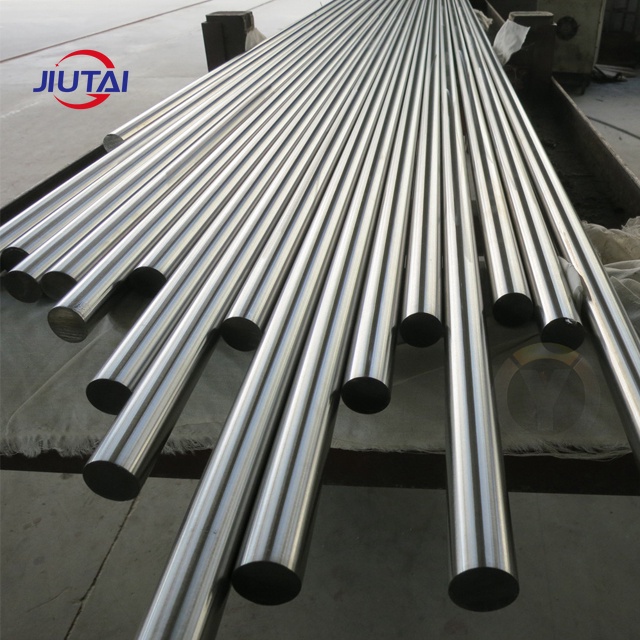
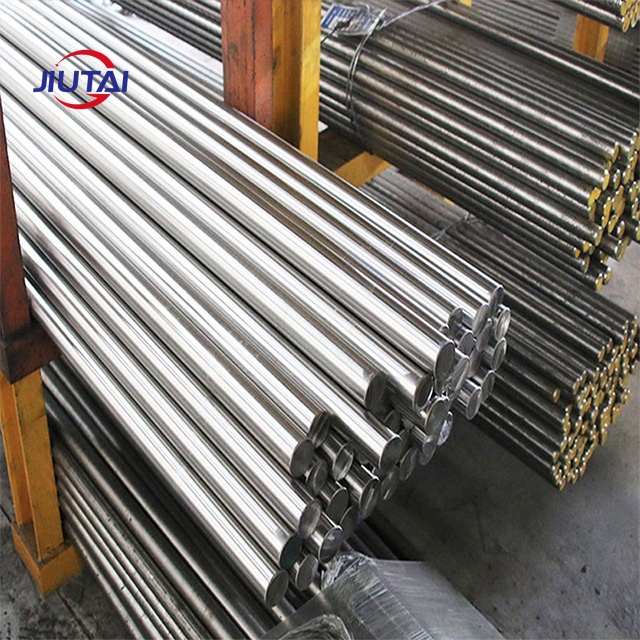
 316L Stainless Steel Bar316L is the low-carbon variant of 316, offering superior resistance to intergranular corrosion after welding. It is the standard choice for aggressive chemical and marine environments requiring high durability.
Key Properties
Corrosion: Excellent resistance to chlorides, seawater, and acidic environments.
Weldability: Low carbon content prevents carbide precipitation during heavy welding.
Strength: Good mechanical properties at both cryogenic and elevated temperatures.
Formability: Excellent ductility for machining and fabrication.
Common Applications
Marine: Boat fittings, offshore platform components, and seawater piping supports.
Chemical: Valves, pumps, and reactor vessel internals.
Medical: Surgical instruments and implantable device components.
Pharmaceutical: Hygienic processing equipment and sanitary fittings.- 316 Stainless Steel Bar316 is an austenitic stainless steel with added molybdenum, providing enhanced corrosion resistance compared to 304. It is the premium choice for industrial applications exposed to harsh chemicals or saltwater.
Key Properties
Molybdenum: Added Mo (2-3%) significantly improves pitting and crevice corrosion resistance.
Corrosion: Superior to 304 in chloride-rich and acidic environments.
Strength: High tensile strength and good creep resistance at elevated temperatures.
Weldability: Good weldability using standard fusion methods.
Common Applications
Pulp & Paper: Digesters, bleaching equipment, and stock preparation machinery.
Textile: Dyeing vats and chemical processing tanks.
Coastal Architecture: Handrails, facades, and structural components near the ocean.
Food Processing: Equipment handling salty or acidic foods. - ASTM A240 430 Stainless Steel Sheet & Plate430 plate is bought for two reasons that have nothing to do with each other. The first is magnetism — whiteboards, appliance backs, magnetic notice panels, induction-compatible cookware bases. 304 cannot do any of that. The second is price stability: a nickel-free grade lets a fabricator quote a fixed price for a year instead of re-pricing every quarter.
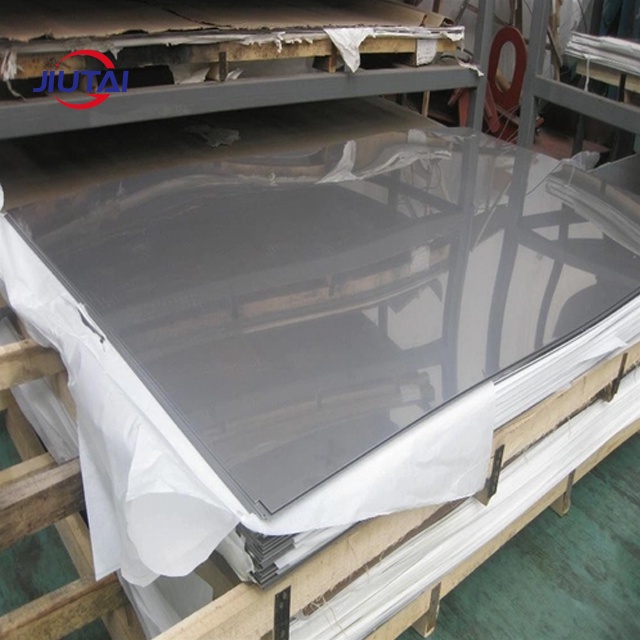
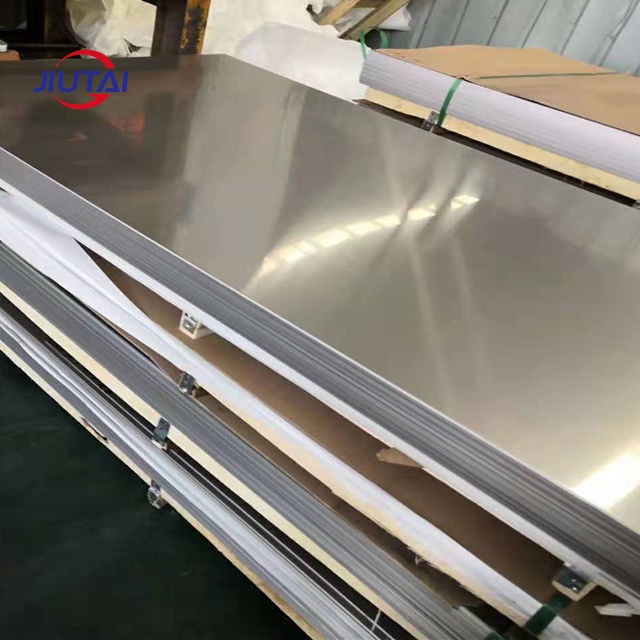
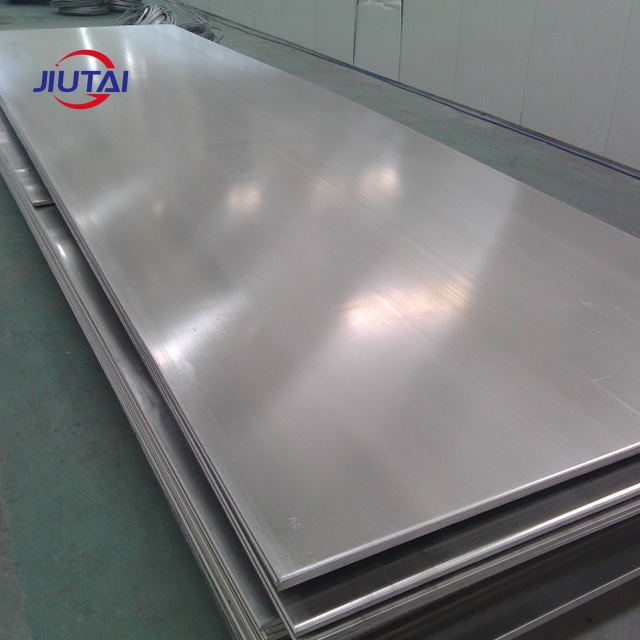
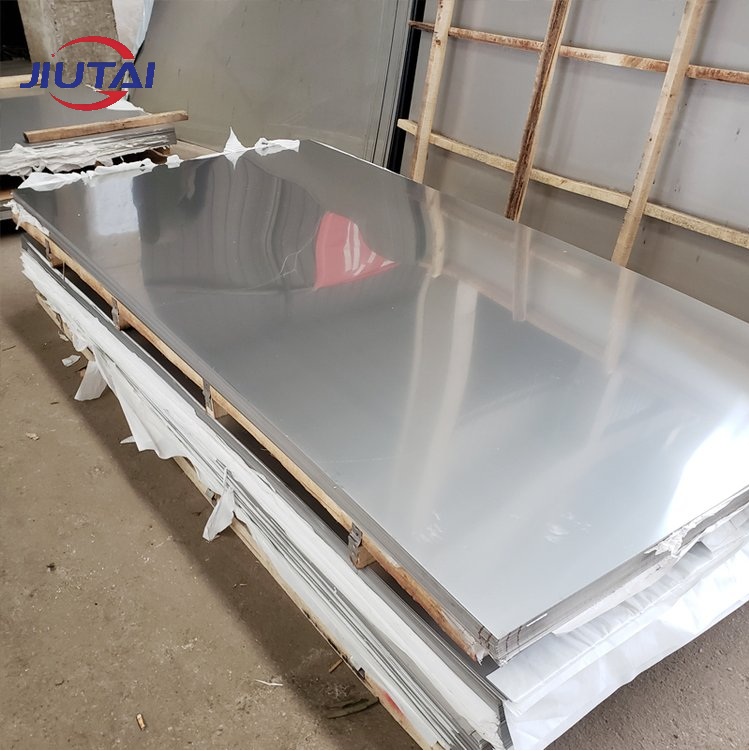
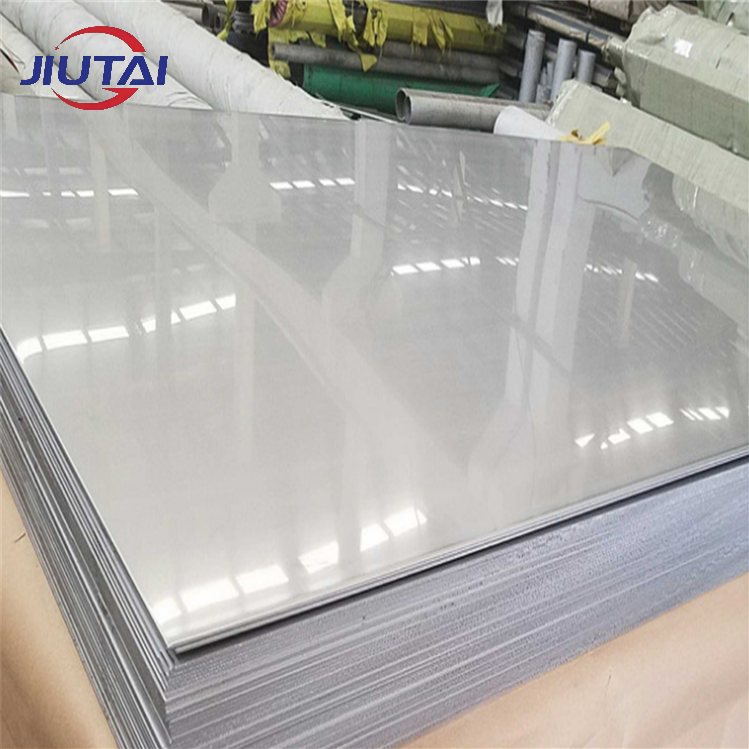
In plate form the grade is at its best in flat panels and heat-cycled parts. Appliance backs, oven and stove panels, chimney liners, heat shields, brake and clutch plates — anywhere the part gets hot and stays flat. The low thermal expansion and high thermal conductivity that make 430 good in a washing machine drum work just as well in a heat shield. - ASTM A240 316L Stainless Steel Sheet & PlateThis page covers the flat, cut-to-size form of 316L: single sheets and plates rather than wound coil. It is the form you want for pressure vessels, heat-exchanger tube sheets, tank shells, structural base plates, flanges, and anything that gets welded into a larger assembly. If your line consumes a continuous wound length, see our 316L Coil & Strip page instead, and for hollow sections see our 316L Pipe & Tube page. The molybdenum in 316L — 2 to 3 percent — is what separates it from 304 when chlorides are present.
- ASTM A240 316 Stainless Steel Sheet & Plate316 plate is specified for two reasons, and neither of them is welding. The first is molybdenum — 2 to 3% of it, which is what separates 316 from 304 and raises pitting resistance to PREN ≈ 25. The second is strength: 205 MPa minimum yield against 170 MPa for 316L, because 316 permits more carbon.
That combination makes it the standard call for flanges, machined components, pump and valve bodies, and pressure parts where allowable stress governs the design. Where the plate is thick and gets welded into corrosive service, 316L is the correct specification instead — the two are equally corrosion resistant, so there is no penalty for switching to the L grade, only a strength one to check.
On thickness, ASTM A480 draws the line at 4.8 mm: below is sheet, at or above is plate. That changes tolerance, surface and which cutting process makes sense, so it is worth stating which you mean.  ASTM A240 304L Stainless Steel Sheet & PlateIn flat product the question is almost never the grade — it is whether the part gets welded. If it does, and the finished assembly will see water, condensate or process chemicals, 304L is the correct specification and standard 304 is a gamble. The carbon cap of 0.030% keeps chromium in solution through the heat-affected zone, so the weld seam stays as corrosion-resistant as the parent plate.
Plate is also where the cost of getting it wrong is highest. A vessel shell in standard 304 that sensitises cannot be fixed in the field — it has to be cut out and re-welded. The price difference between 304 and 304L on a plate order is small; the cost of a failed weld seam is not.
For thickness, ASTM A480 draws the line at 4.8 mm: below that it is sheet, at or above it is plate. The distinction affects tolerance, flatness and how we cut it, so it is worth stating which you mean when you enquire. ASTM A240 201 Stainless Steel Sheet & PlateSheet and plate in 201 serve the same buying logic as the coil: you want an austenitic stainless that forms, welds reasonably and finishes bright, without paying nickel-market prices. Because 201 work-hardens faster than 304, plate in this grade is noticeably stiffer after forming — useful for counter tops, cladding panels and equipment housings that must not flex.
The two things to check before specifying 201 plate are the environment and the welding. Dry indoor service is fine. Anything wet, coastal or chemical is not. And because there is no 201L, welded platework that will see moisture should move to 304L. 430 Stainless Steel Pipe & Tube430 tube is a different proposition from 304 tube. It is not bought to look like stainless — it is bought because the application needs a ferritic material: magnetic, nickel-free, good in heat, and stable in price. That puts it in heat exchanger and condenser tube under A268, in exhaust and appliance components, and in decorative work where magnetism matters.
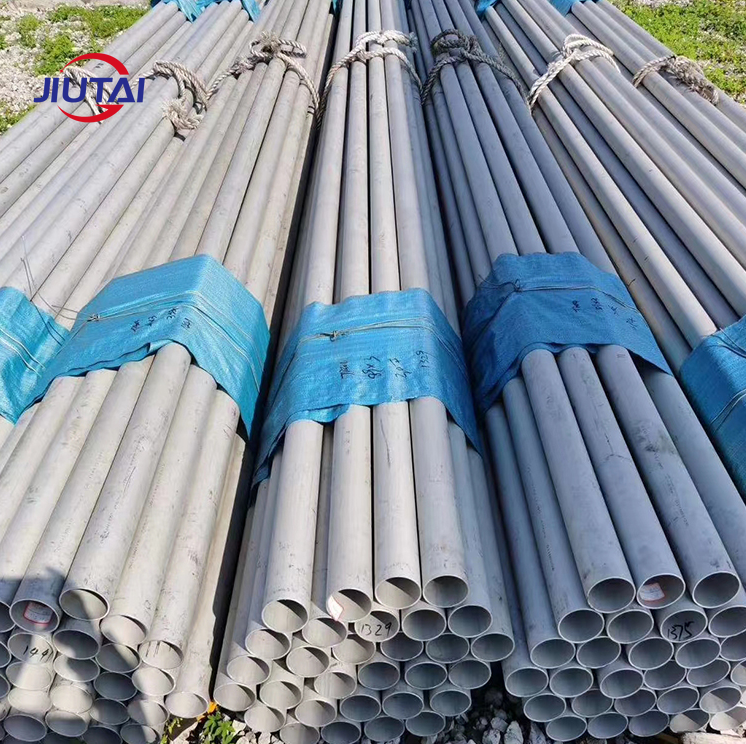
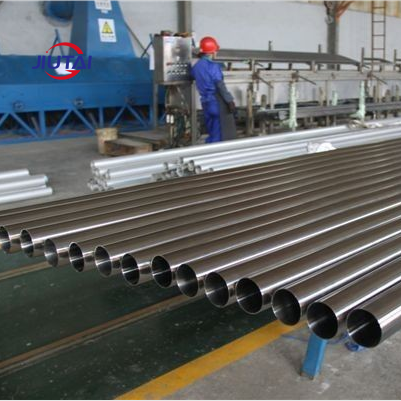
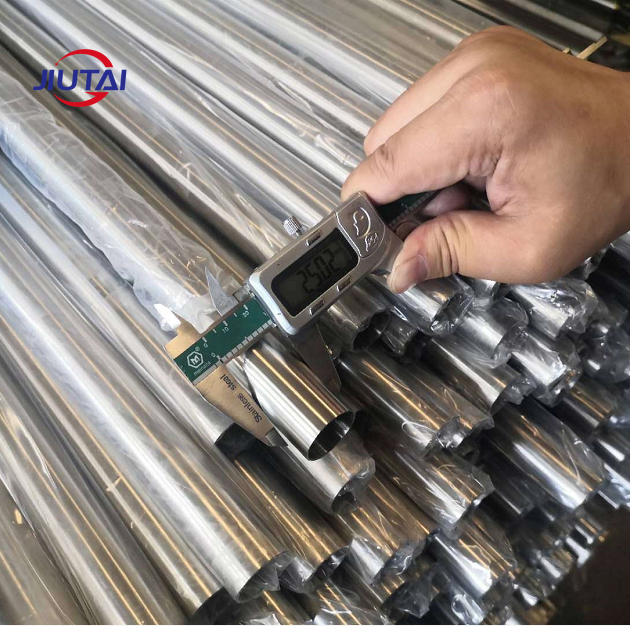
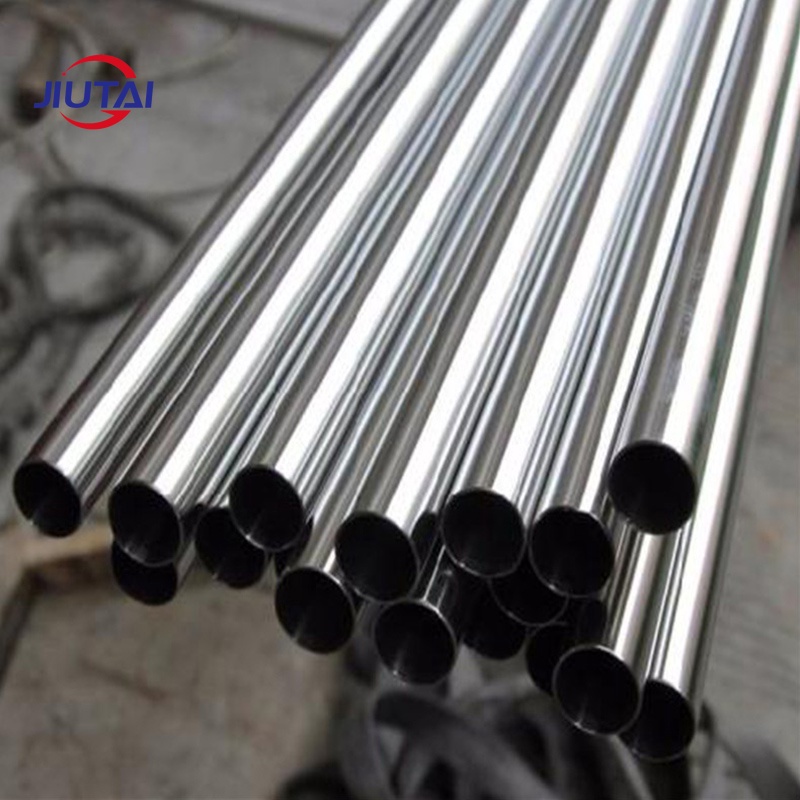
The ferritic structure is the whole story. It gives better stress corrosion cracking resistance than the austenitics in chloride-bearing water, higher thermal conductivity for heat transfer duty, and a lower expansion rate for parts that cycle through temperature. It costs you ductility and low-temperature toughness, and it makes the tube magnetic — which is either the reason you are buying it or the reason you are not. ASTM A312 / A213 TP316L Stainless Steel Pipe & Tube316L pipe is specified wherever the fluid inside or the environment outside carries chlorides: seawater cooling lines, desalination plant, chemical process piping, condenser and heat-exchanger tubing, pharmaceutical clean lines and food-processing plant. The 2 to 3 percent molybdenum content is what makes it survive where 304 pipe would pit through. This page covers pipe and tube in both seamless and welded form. For flat products, see our 316L Sheet & Plate and 316L Coil & Strip pages.
 ASTM A312 / A213 TP316 Stainless Steel Pipe & TubeTP316 is the molybdenum-bearing pipe grade, and it exists alongside TP316L for the same reason plate does: the two are equally corrosion resistant — both carry 2–3% molybdenum, both sit at PREN ≈ 25 — but TP316 permits more carbon and therefore gives more strength.
In piping that strength matters in two places. First, machined components: fittings, flanges, valve bodies and instrument parts turned from bar or heavy-wall tube, where allowable stress governs. Second, elevated temperature: TP316 carries better allowable stress in the ASME tables above roughly 500 °C, which is why it still appears in older high-temperature specifications. ASTM A312 / A213 TP304L Stainless Steel Pipe & TubePipe is where 304L earns its keep most obviously, because a piping system is essentially one long continuous weld. Every joint, every branch, every nozzle is a heat-affected zone. Specify standard 304 in a wet or corrosive line and you are betting that none of those welds will ever sensitise. Specify 304L and the question disappears — the carbon is capped at 0.030% and weld decay cannot happen.
The two standards buyers usually mean are different things. ASTM A312 covers pipe for general corrosive and high-temperature service — process lines, utilities, plant piping. ASTM A213 covers seamless tube for boilers, superheaters and heat exchangers, where wall tolerance and surface condition are tested more tightly. Ordering one when the drawing says the other is a common and expensive mistake, so it is worth checking which your specification calls for.- ASTM A312 / A213 TP304 Stainless Steel Pipe & TubeTP304 is the pipe and pressure-tube designation of the same 18/8 alloy as 304 sheet and plate. It is the default choice for process lines carrying water, steam, food product, mildly aggressive chemicals and clean utilities, and for heat exchanger and condenser tubing. For flat product rather than tube, see our 304 Coil & Strip and 304 Sheet & Plate pages.

{item.title}
{item.description}
Shanghai Jiutai Steel Group Co., Ltd.

Thank you very much for writing to us. Please leave your message and contact information, we will reply to you within 24 hours.