
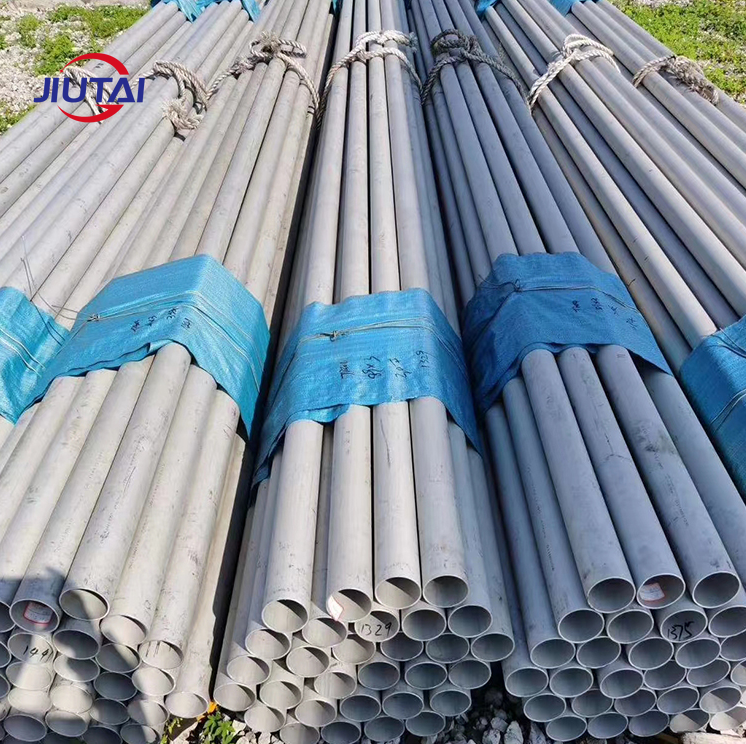
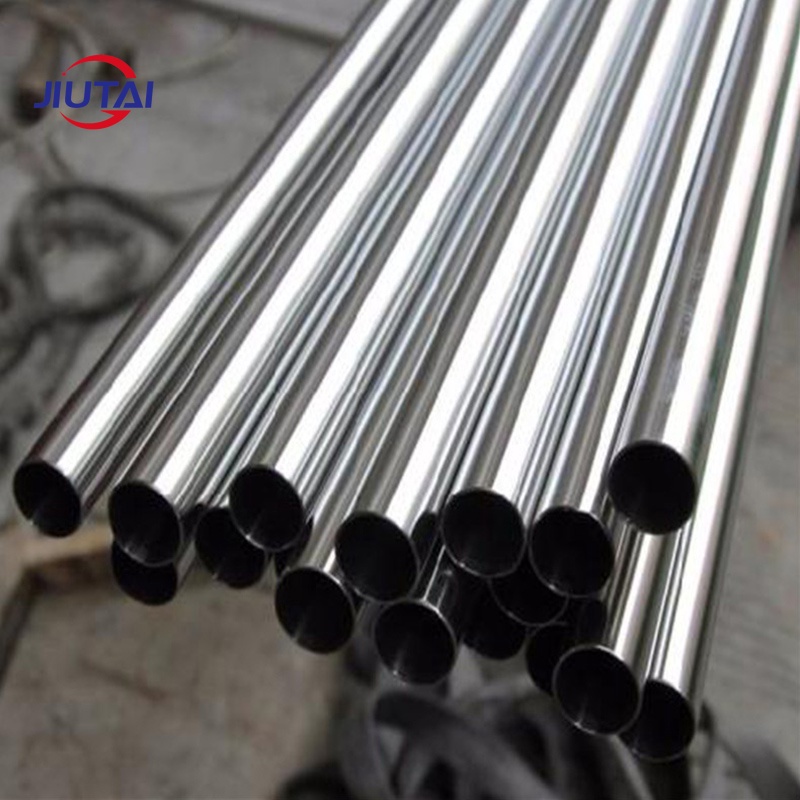
The ferritic structure is the whole story. It gives better stress corrosion cracking resistance than the austenitics in chloride-bearing water, higher thermal conductivity for heat transfer duty, and a lower expansion rate for parts that cycle through temperature. It costs you ductility and low-temperature toughness, and it makes the tube magnetic — which is either the reason you are buying it or the reason you are not.
‹
›
‹
›
Product Description
At a Glance
Where 430 Tube Gets Used
Welded vs Seamless — Which Do You Need?
For heat exchanger and condenser work order seamless to A268 — the tube sheet expansion and the pressure duty both favour it. For everything else, welded 430 is the standard supply.
Is 430 Tube the Right Choice?
Grade Cross-Reference
For welded exhaust and heat-exchanger assemblies, 439 is usually the better buy. It is titanium-stabilised, so the weld does not embrittle, and it holds the same thermal advantages as 430.
Standard Coverage
Size Range & Weight (round tube, selected)
Weight is calculated at 7.70 g/cm³. Ferritic tube is magnetic, so magnetic handling and fixturing works on the shop floor.
Processing Services
Cutting, polishing and bending are charged as processing services, based on length, grit and radius, and quoted as separate lines.
WHERE 430 TUBE IS THE WRONG CHOICE — coastal and marine exposure, potable water and food process lines, sub-zero service, welded assemblies under load (use 439), and any application that must be non-magnetic. For those jobs use 304, 304L or 316L.
Ordering & Delivery
FAQ
Is 430 tube magnetic?
Yes, in every condition. That is a ferritic property and it is often the reason 430 is specified.
Is 430 better than 304 for heat exchanger tube?
For chloride-bearing cooling water, yes on stress corrosion cracking, and it conducts heat better. It is not better on general corrosion — 316L wins there.
What is the difference between 430 and 439 tube?
439 is titanium-stabilised. It welds without embrittlement, which makes it the right choice for welded exhaust and heat exchanger assemblies.
Can 430 tube be used for drinking water?
It is not the usual choice. 304 or 316L are standard for potable water; check your local approval before specifying 430.
What temperature can 430 tube handle?
Continuous service to about 815 °C before scaling becomes a concern, and it handles sulfur-bearing atmospheres better than the austenitics.
Do you supply 430 coil and plate as well?
Yes. See our 430 Coil & Strip page and our 430 Sheet & Plate page.
Tell Us Four Things — We'll Come Back With a Price
No long forms. Send these four details and we price the same working day.
01 Grade & standard — 430, A268 / A554 as applicable, or 439 if welded
02 Shape & size × wall — e.g. round 19.0 × 0.8 mm, A268 seamless
03 Quantity & length — 6 m standard or cut to length
04 Destination port — we quote to the port you nominate
WhatsApp: +86 13516180717
Email: jiutai@hanyang-steel.com
We come back with a written quote within 12 hours, Shanghai time — price, lead time, packing and loading port on one page. No forms, no waiting on a callback.
Product Show
Partner






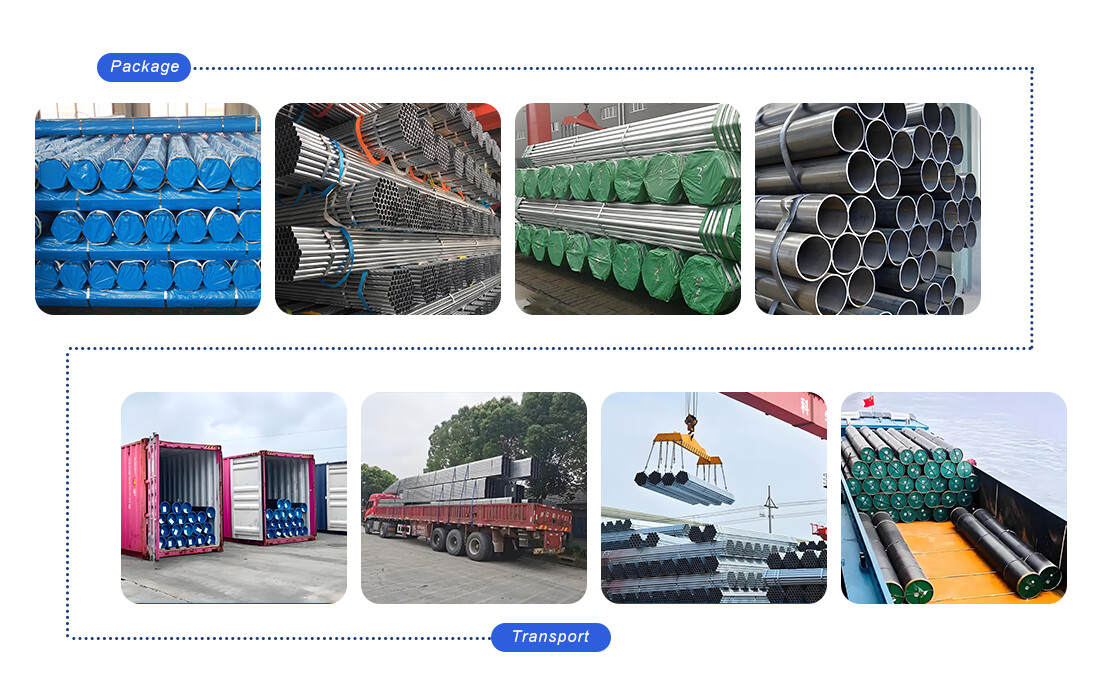
Packaging and Shipping
Get Your Free Quote Now!
Related Products
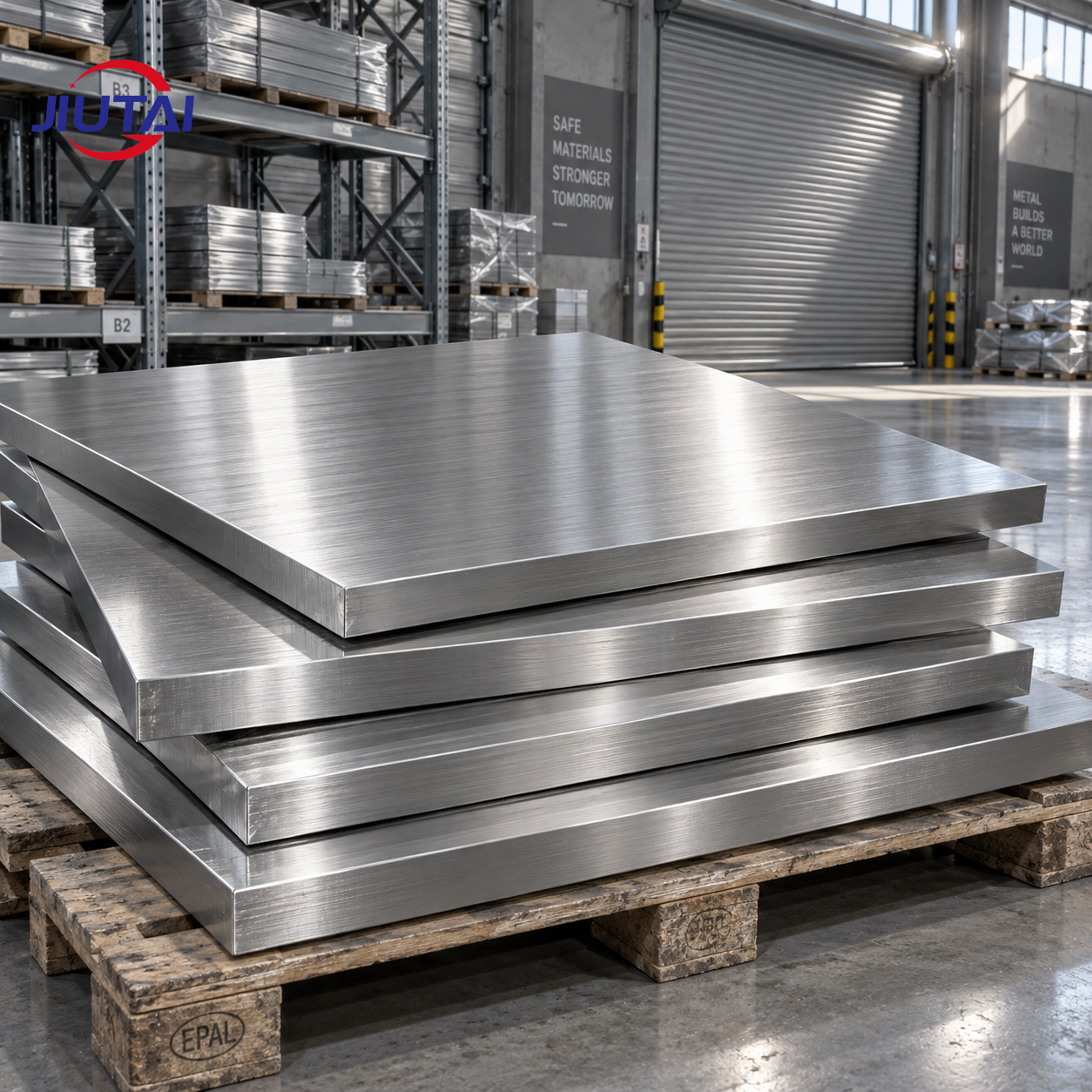
 ASTM A240 304 Stainless Steel Sheet & PlateSheet and plate is what you want when the part is flat and cut rather than wound — tank shells, vessel heads, flanges, base plates, wall cladding, cut profiles. Coil is the same material in a different form; if your line takes a continuous wound length, see our 304 Coil & Strip page instead.
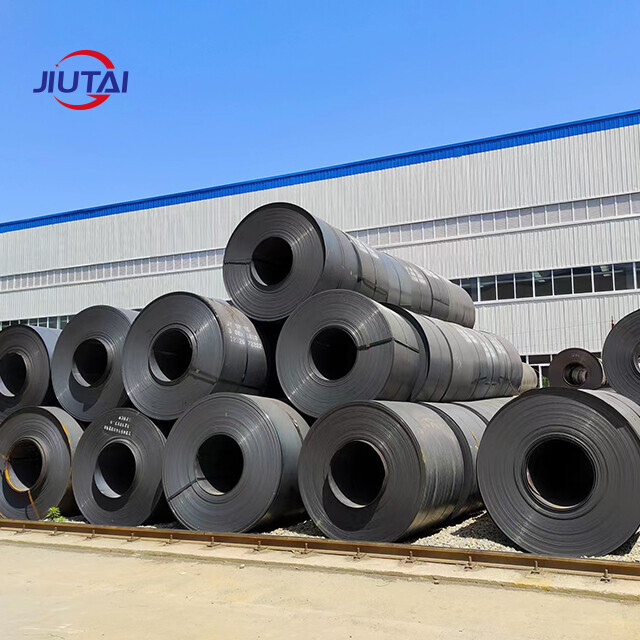
 Carbon Steel CoilCarbon steel coil is a commonly used metal material with wide applications in many fields. It has good mechanical properties and processing properties and is widely used in automobile manufacturing, shipbuilding, construction, bridges and other fields.
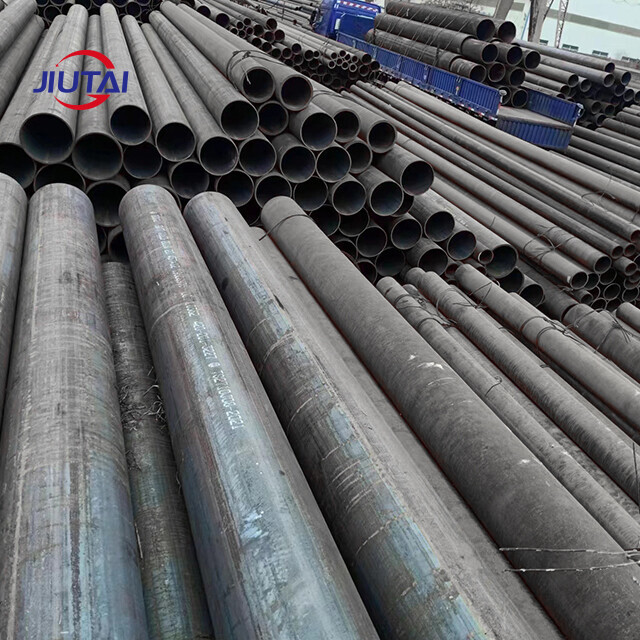
 Seamless PipeSeamless pipe is a long strip of steel with a hollow section and no seams around it. According to the cross-sectional shape, seamless pipes can be divided into circular steel pipes, square steel pipes, special-shaped seamless steel pipes, rectangular seamless pipes, etc. Seamless pipes are widely used in fluid transportation, boiler manufacturing, engineering machinery and other fields due to their unique structure and properties.

Thank you very much for writing to us. Please leave your message and contact information, we will reply to you within 24 hours.