
‹
›
‹
›
Product Description
At a Glance
Which Standard Do You Actually Need?
This is the single most common source of ordering mistakes. The standards look similar but cover different products and test regimes.
Seamless or Welded?
For heat-exchanger and condenser duty, welded A249 tube is the industry norm and usually the better buy — the seam is fully inspected and the wall is more consistent than hot-finished seamless. Reserve seamless for high-pressure or high-temperature lines where the code requires it.
Chemical Composition (TP316L, % by weight)
Note the carbon limit of 0.035% for pipe versus 0.030% for plate — the requirements differ slightly between product standards. Both are the low-carbon 'L' variant.
Mechanical Properties (ASTM A312 TP316L)
Sizes and Weight
Weight is calculated at 7.98 g/cm³ using kg/m = 0.02507 × (OD − t) × t. Values below are for the stainless schedules most commonly ordered.
Sch 40S is not the same as Sch 40. The 'S' designates the stainless schedule, which is thinner at most sizes — for example NPS 4 is 6.02 mm in Sch 40S against 6.02 mm in Sch 40 at that one size, but NPS 3 is 5.49 mm in 40S against 7.62 mm in Sch 40. Orders placed as 'Sch 40' without the S frequently arrive as the wrong wall. State the schedule and the wall thickness in millimetres on your enquiry.
Where 316L Pipe Gets Used
· Seawater cooling and desalination — intake lines, brine recirculation, product water piping.
· Condensers and heat exchangers — A249 welded tube or A213 seamless tube, depending on the duty.
· Chemical and petrochemical process piping — acids, solvents, chlorides and process water.
· Pharmaceutical and food plant — product lines and clean utilities, with A270 sanitary tube where the code requires it.
· Pulp and paper, and textile dyeing — process liquors that attack 304.
· Marine and offshore — firewater, ballast and utility lines exposed to salt spray.
· Swimming pool plant and water treatment — anywhere chlorine is dosed.
End Finish and Testing
If the pipe is going into a welded pressure system, ask for the intergranular corrosion test to ASTM A262 Practice E. It confirms the low-carbon grade behaves correctly after thermal exposure, and it is cheap insurance on critical service.
Processing Services
· Cut-to-length — fixed lengths cut to your schedule, with square and deburred ends.
· Bevelling — weld-prep bevels to your angle, land and root face.
· Polishing — internal and external polish for sanitary or architectural duty.
· Bending — cold bends to your radius, with ovality controlled to your tolerance.
· Marking — heat number and size marked on every length, matched to the certificate.
Cutting, bevelling, polishing and bending are charged as processing services based on size, quantity and tolerance, and are listed separately on your quotation.
Where 316L Pipe Is the Wrong Choice
Fresh potable water and ordinary compressed air inland — 304 pipe is adequate and cheaper. Seawater immersion with high velocity or stagnant crevices — consider duplex 2205 or a super-austenitic grade. Continuous service above about 800°C — use 310S or 321. Non-pressure decorative or structural tube — A554 mechanical tube costs less and is the correct specification.
Ordering & Delivery
FAQ
What is the difference between A312 and A213?
A312 is pipe — for fluid transport under pressure. A213 is tube — for boilers, superheaters and heat exchangers, where heat transfer is the function. They have different dimensional tolerances and different testing regimes. Ordering the wrong one is a common and expensive mistake, so tell us the service and we will confirm.
Is seamless always better than welded?
No. Seamless has no seam and a higher pressure rating, but welded tube has a more uniform wall, a smoother surface and costs 20–35% less. For heat-exchanger and condenser service, welded A249 is the industry standard.
Can I use 316L pipe for seawater?
For flowing seawater in cooling and intake lines, yes — 316L is widely used. For stagnant or high-velocity service, or where crevices exist, it can still crevice-corrode. In those conditions duplex 2205 is the better material. Tell us the velocity and whether the line ever sits stagnant.
Why is Sch 40S thinner than Sch 40?
The S designates the stainless schedule, which was written for corrosion-resistant alloys where a thinner wall is sufficient. Because the numbers are so close, 'Sch 40' is routinely mis-ordered. Always state the schedule and the wall thickness in millimetres.
Do you supply sanitary tube?
Yes — ASTM A270 in 316L for food, dairy, beverage and pharmaceutical service, with controlled internal surface roughness. Tell us the required roughness and whether you need orbital-weldable ends.
What lengths do you supply?
Standard mill lengths are around 5–7 m random. Fixed cut lengths are available as a processing service — give us the lengths and quantities and we will nest them to minimise waste.
Is 316L pipe magnetic after bending?
Annealed 316L is non-magnetic. Cold bending induces a small amount of martensite at the bend, so that area may show slight magnetic response. This is normal and does not affect corrosion resistance in the bend region.
Tell Us Four Things — We'll Come Back With a Price
No long forms. Send these four details and we will come back with a price.
01 Standard and grade — A312, A213, A249, A269, A270 or A554, TP316L
02 Size: NPS or OD × wall thickness, and Sch 10S / 40S / 80S
03 Seamless or welded, and the service — pressure, temperature, medium
04 Quantity in metres or kilograms, and end finish required
WhatsApp: +86 13516180717
Email: jiutai@hanyang-steel.com
We come back with a written quote within 12 hours, Shanghai time — price, lead time, packing and loading port on one page. No forms, no waiting on a callback.
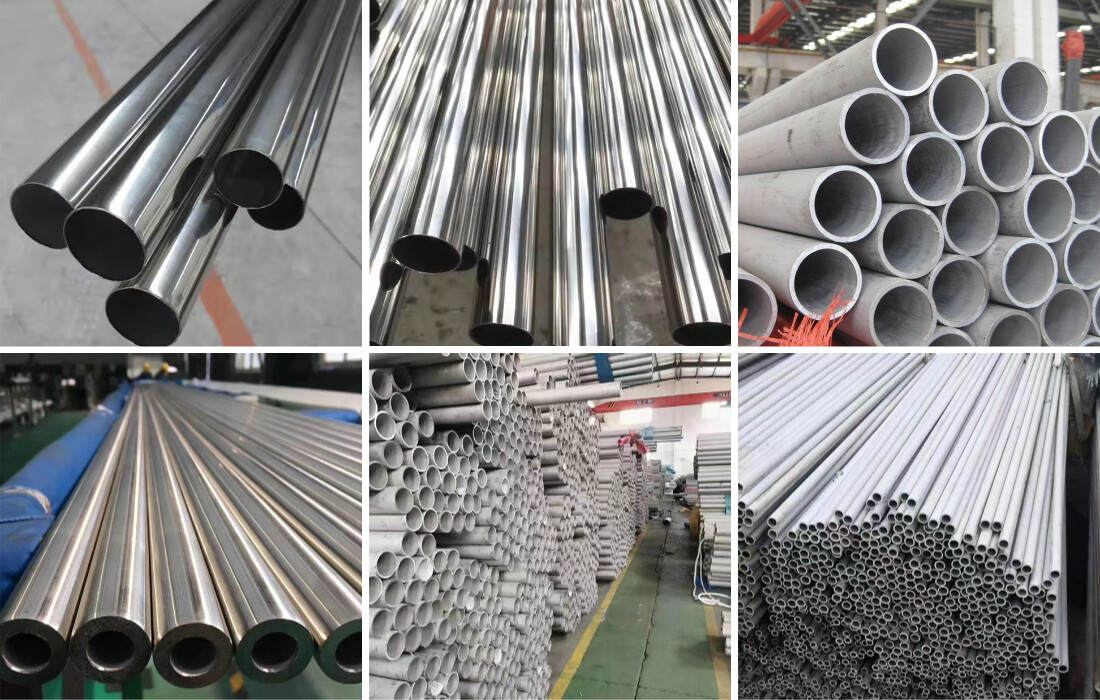
Product Show
Partner

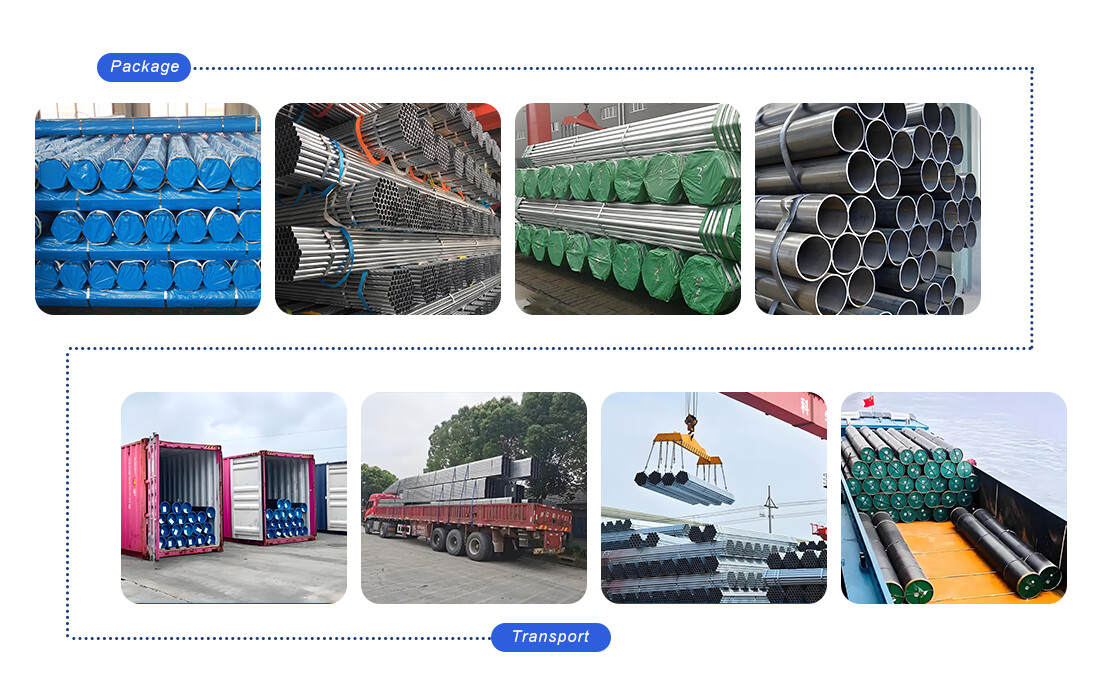
Packaging and Shipping
Get Your Free Quote Now!
Related Products
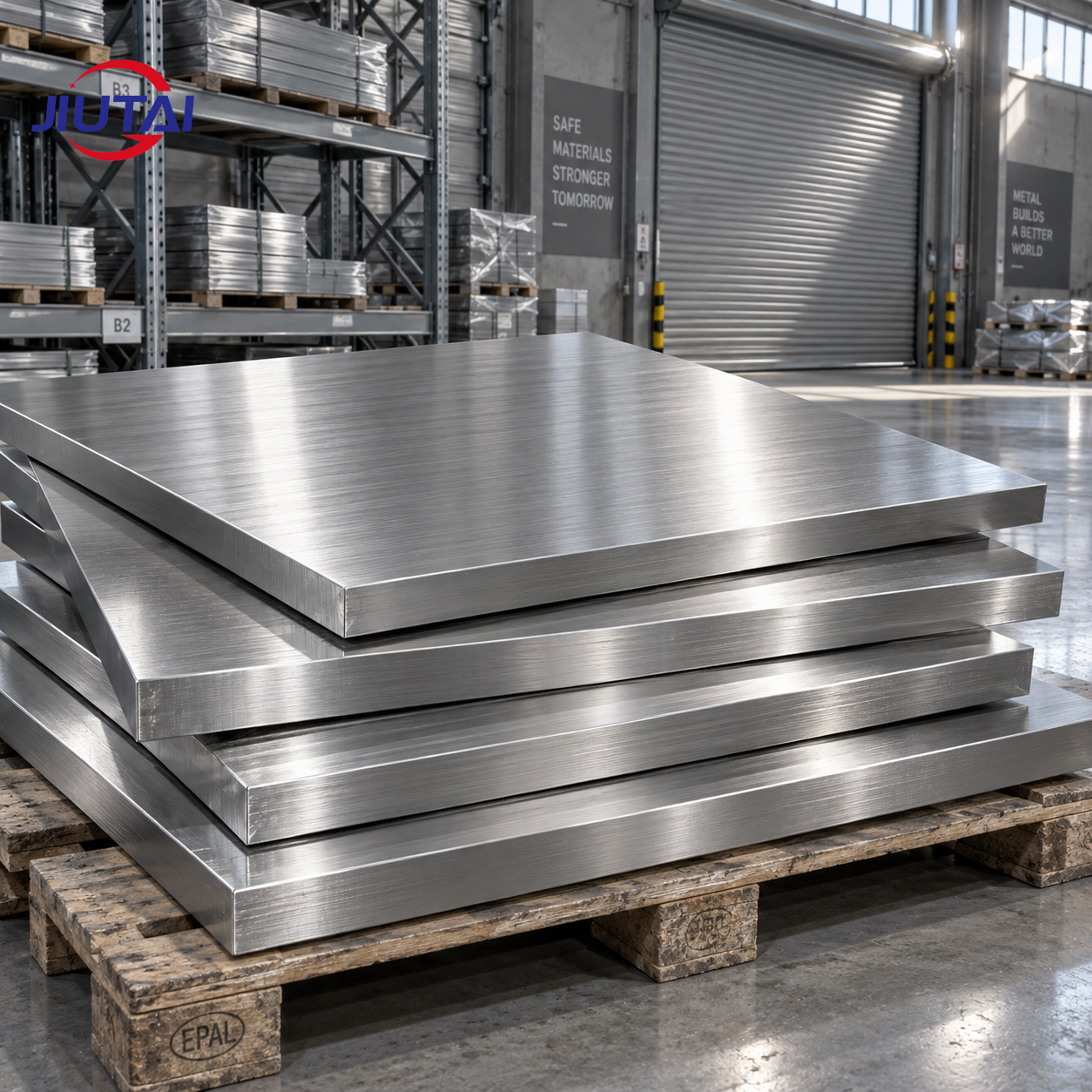
 ASTM A240 304 Stainless Steel Sheet & PlateSheet and plate is what you want when the part is flat and cut rather than wound — tank shells, vessel heads, flanges, base plates, wall cladding, cut profiles. Coil is the same material in a different form; if your line takes a continuous wound length, see our 304 Coil & Strip page instead.
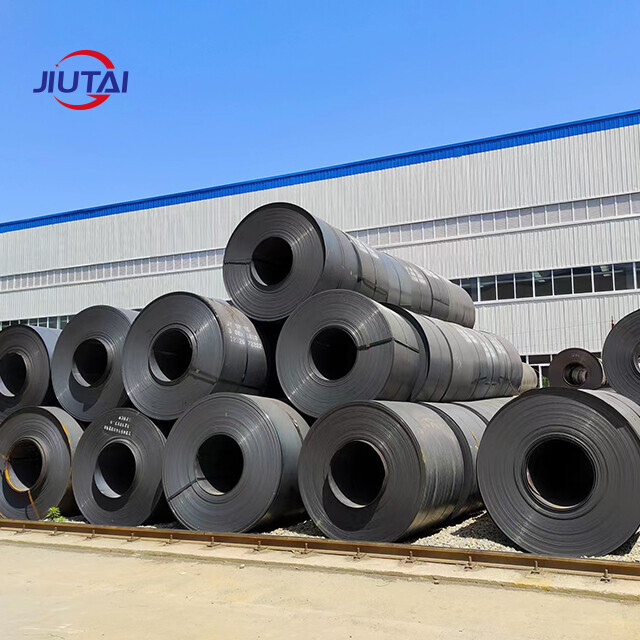
 Carbon Steel CoilCarbon steel coil is a commonly used metal material with wide applications in many fields. It has good mechanical properties and processing properties and is widely used in automobile manufacturing, shipbuilding, construction, bridges and other fields.
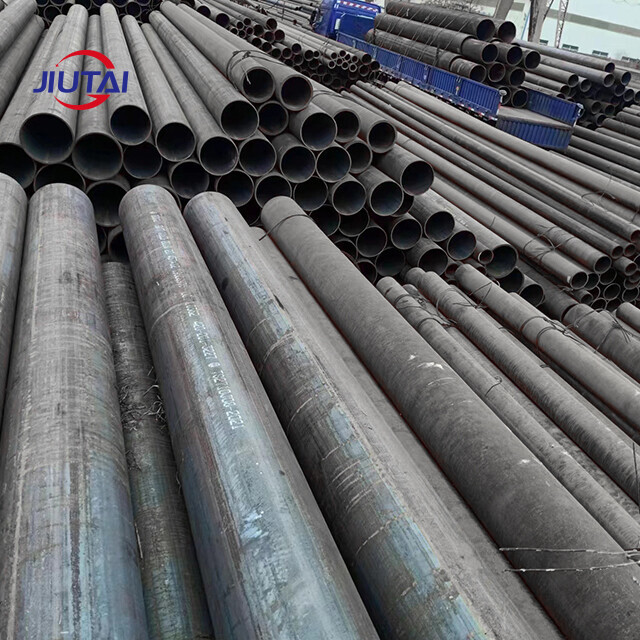
 Seamless PipeSeamless pipe is a long strip of steel with a hollow section and no seams around it. According to the cross-sectional shape, seamless pipes can be divided into circular steel pipes, square steel pipes, special-shaped seamless steel pipes, rectangular seamless pipes, etc. Seamless pipes are widely used in fluid transportation, boiler manufacturing, engineering machinery and other fields due to their unique structure and properties.
Thank you very much for writing to us. Please leave your message and contact information, we will reply to you within 24 hours.