
‹
›
‹
›
Product Description
At a Glance
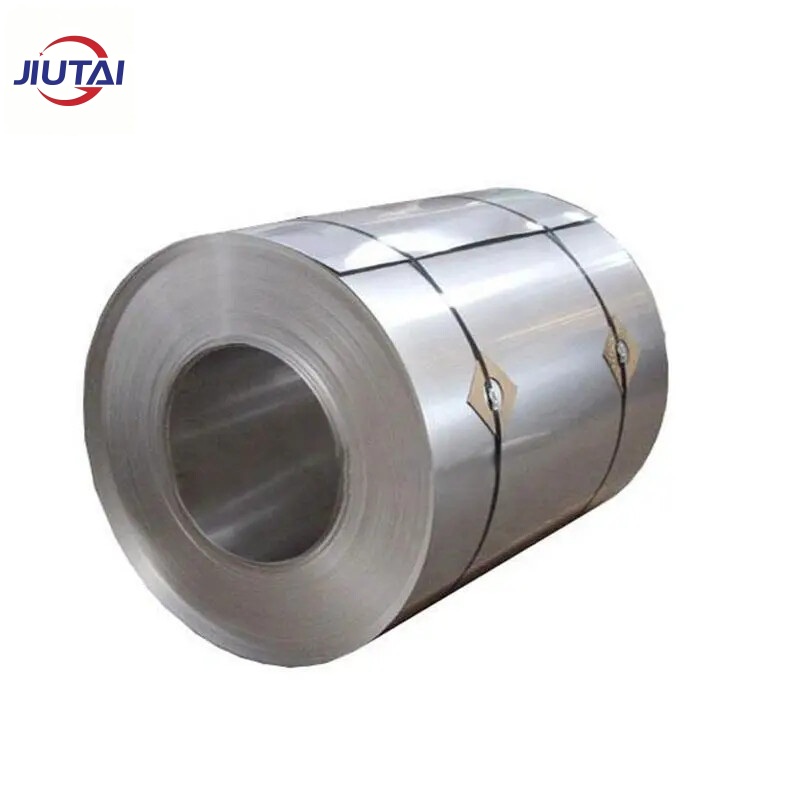
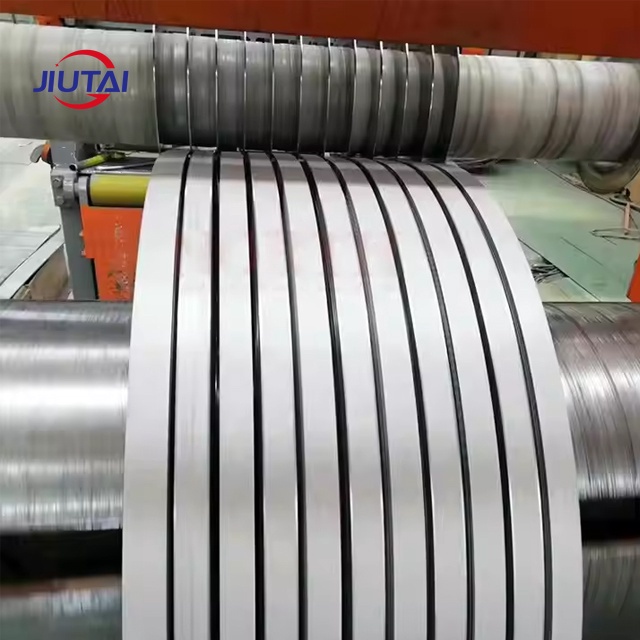
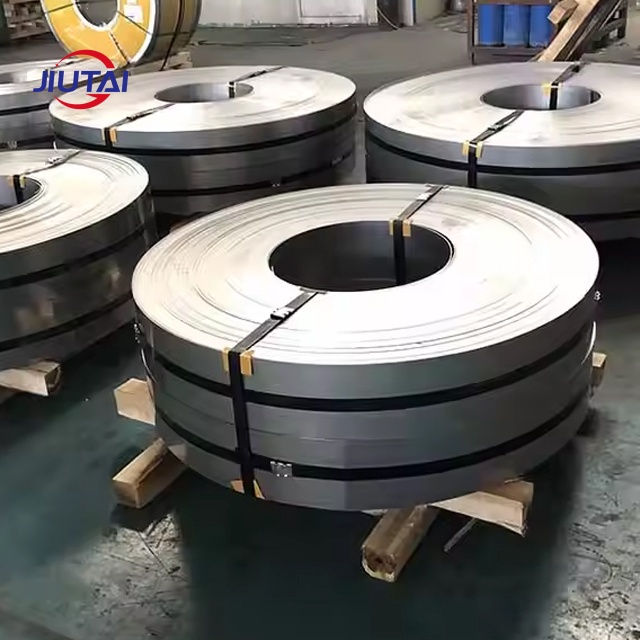
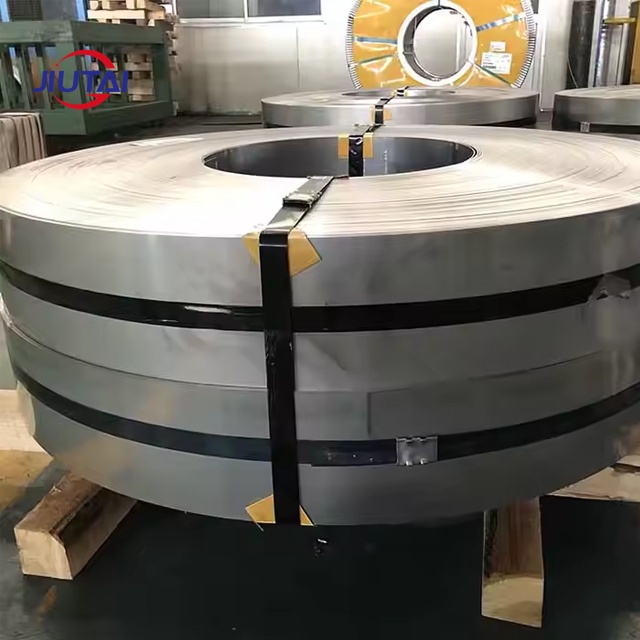
321 is 18/8 stainless with titanium added. Mechanically it behaves very much like 304 — the difference appears after welding, or when the part works in the 425–815 °C band where ordinary 304 loses its corrosion resistance along the grain boundaries.
Why Titanium Stabilisation Matters
When 304 is held between roughly 425 and 815 °C, carbon migrates to the grain boundaries and locks up chromium as chromium carbide. The areas next to the boundary are left short of chromium and lose their stainless property — the weld line rusts while the rest of the sheet is fine. That is sensitisation, and it is why 304 assemblies sometimes need annealing after welding. 321 carries titanium at a minimum of five times the carbon plus nitrogen content. Titanium binds the carbon first, so chromium stays in solution. The practical result: you can weld 321 and put it into service in that temperature band without a post-weld anneal.
Where 321 Coil Gets Used
Grade Cross-Reference
Chemical Composition (ASTM A240, % by weight)
Mechanical Properties (annealed, room temperature)
Surface Finish Guide
Size Range & Weight
Figures are calculated from the alloy density and are for estimating only — actual weight follows the mill's measured thickness.
Processing Services
Where 321 Is the Wrong Choice
Above roughly 815 °C continuous service, 321 scales. Go to 309S or 310S, which carry 25% chromium.
Ordering & Delivery
FAQ
Is 321 the same as 304?
Close but not the same. The base analysis is nearly identical and the strengths match, but 321 carries titanium. You only see the difference after welding or in high-temperature service.
Do I still need to anneal after welding?
No — that is the point of specifying 321. If your assembly cannot be annealed and will work between 425 and 815 °C, 321 is the standard answer.
Can 321 replace 304 everywhere?
Mechanically yes, but you would be paying for stabilisation you do not use. For indoor or low-temperature work, 304 does the job for less.
What is 321H?
A higher carbon version (0.04–0.10%) specified where creep strength at temperature matters. Tell us if your design code calls for 321H.
Is 321 magnetic?
Not in the annealed condition. As with 304, heavy cold work can induce slight magnetism near formed areas.
Does titanium make it more corrosion resistant?
It protects against intergranular attack after welding or high-temperature exposure. It does not improve pitting resistance — the PREN is essentially that of 304, about 18.
Tell Us Four Things — We'll Come Back With a Price
321 enquiries — tell us the working temperature and whether it gets welded, and we will confirm whether 321 or 310S is the right call.
01 Grade — 321 or 321H
02 Thickness × width, and coil or slit strip
03 Finish — 2B, BA, No.1 or No.4
04 Quantity and service temperature
WhatsApp: +86 13516180717
Email: jiutai@hanyang-steel.com
We come back with a written quote within 12 hours, Shanghai time — price, lead time, packing and loading port on one page. No forms, no waiting on a callback.
Product Show
Partner



Packaging and Shipping
Get Your Free Quote Now!
Related Products
 ASTM A240 304 Stainless Steel Sheet & PlateSheet and plate is what you want when the part is flat and cut rather than wound — tank shells, vessel heads, flanges, base plates, wall cladding, cut profiles. Coil is the same material in a different form; if your line takes a continuous wound length, see our 304 Coil & Strip page instead.
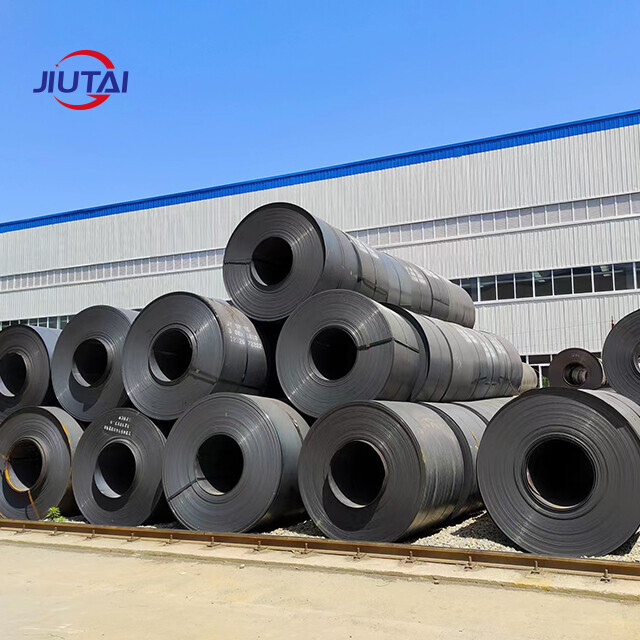
 Carbon Steel CoilCarbon steel coil is a commonly used metal material with wide applications in many fields. It has good mechanical properties and processing properties and is widely used in automobile manufacturing, shipbuilding, construction, bridges and other fields.
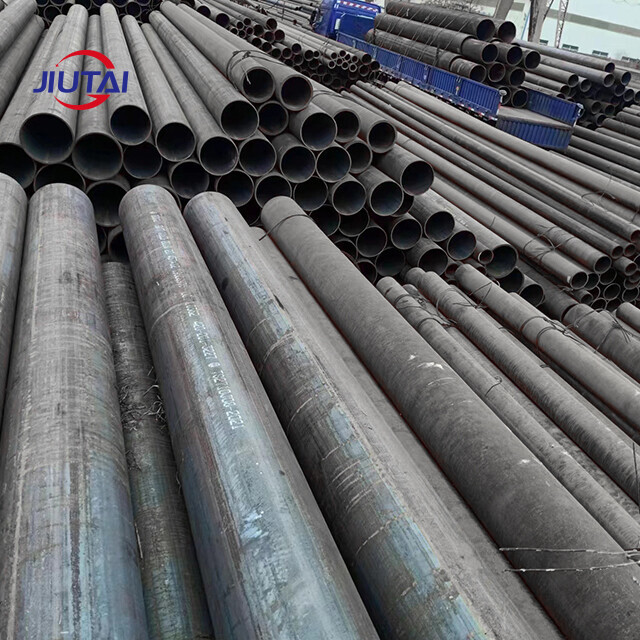
 Seamless PipeSeamless pipe is a long strip of steel with a hollow section and no seams around it. According to the cross-sectional shape, seamless pipes can be divided into circular steel pipes, square steel pipes, special-shaped seamless steel pipes, rectangular seamless pipes, etc. Seamless pipes are widely used in fluid transportation, boiler manufacturing, engineering machinery and other fields due to their unique structure and properties.
Thank you very much for writing to us. Please leave your message and contact information, we will reply to you within 24 hours.