
‹
›
‹
›
Product Description
At a Glance
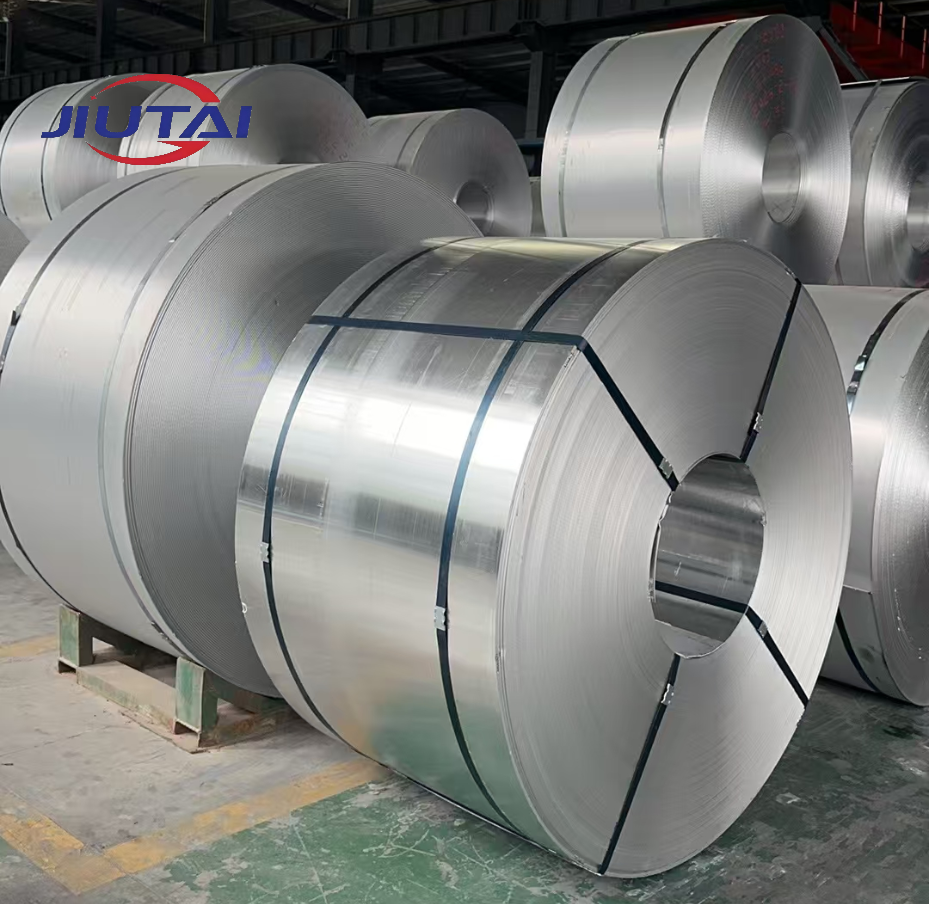
904L sits above the 316 family and below the nickel alloys. It is what you specify when 316L fails in acid service but a nickel-based alloy is more than the job needs. Fully austenitic, non-magnetic, and not hardenable by heat treatment.
The Copper Difference
Most stainless grades rely on molybdenum for acid resistance. 904L carries 4.0–5.0% molybdenum, but the element that really separates it from 316L and 317L is copper, at 1.0–2.0%. Copper is what makes the grade work in reducing acids — sulphuric acid in particular — where molybdenum on its own is not enough. The 23–28% nickel content adds resistance to stress corrosion cracking. Combined, that puts PREN at roughly 36 against about 25 for 316L. It is a genuine step change in acid service, and it comes at a genuine step change in price.
Where 904L Coil Gets Used
Grade Cross-Reference
Chemical Composition (ASTM A240, % by weight)
Mechanical Properties (annealed, room temperature)
Surface Finish Guide
Size Range & Weight
Figures are calculated from the alloy density and are for estimating only — actual weight follows the mill's measured thickness.
Processing Services
Where 904L Is the Wrong Choice
In hot seawater or high-chloride service at temperature, 904L is not the top choice — 254SMO, 6Mo alloys or super duplex 2507 handle chlorides better.
If 316L survives your service, 904L is over-specification. It typically runs three to four times the price.
It is not a high-strength alloy. Yield is only about 220 MPa — where strength is the constraint, duplex 2205 gives more than double at lower cost.
Check your design code before specifying. 904L is not covered in every ASME section for pressure work.
Ordering & Delivery
FAQ
904L against 316L?
904L carries 4.0–5.0% molybdenum against 316L's 2.0–3.0%, plus copper, with PREN around 36 against about 25. It is an acid-service grade, not a general upgrade.
904L against 2205 duplex?
Different tools. 2205 wins on strength and chloride stress corrosion cracking; 904L wins in reducing acids. Tell us the media and we will say which.
Is 904L a duplex grade?
No. It is fully austenitic — non-magnetic, and it cannot be hardened by heat treatment.
Can it be welded?
Yes, with matching filler such as ER385. The low carbon content means post-weld annealing is not normally required.
Why is it expensive?
23–28% nickel and 4–5% molybdenum. Both are expensive alloying elements, so quotations should carry a short validity window.
Is 904L the same as 1.4539?
Yes — EN 1.4539 is the European designation for the same alloy.
Tell Us Four Things — We'll Come Back With a Price
904L enquiries — the acid, its concentration and the working temperature decide whether this is the right grade. Send all three.
01 Grade — 904L
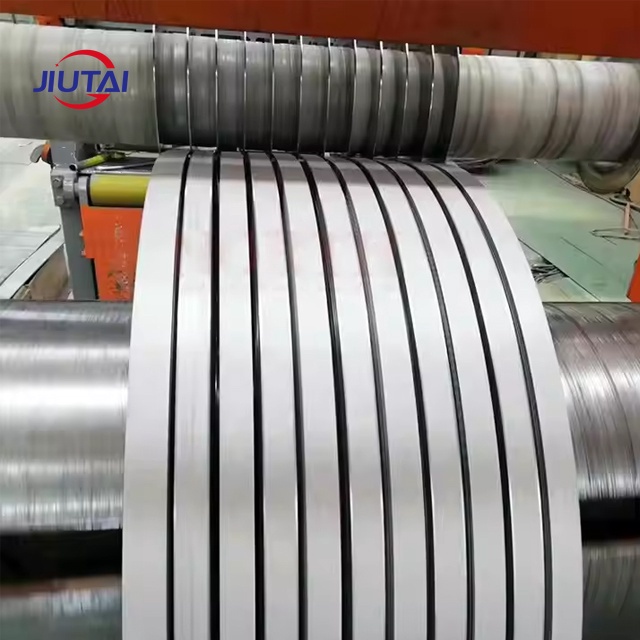
02 Thickness × width, and coil or slit strip
03 Finish — 2B, BA, No.1 or No.4
04 Quantity, plus the acid, concentration and temperature
WhatsApp: +86 13516180717
Email: jiutai@hanyang-steel.com
We come back with a written quote within 12 hours, Shanghai time — price, lead time, packing and loading port on one page. No forms, no waiting on a callback.
Product Show
Partner





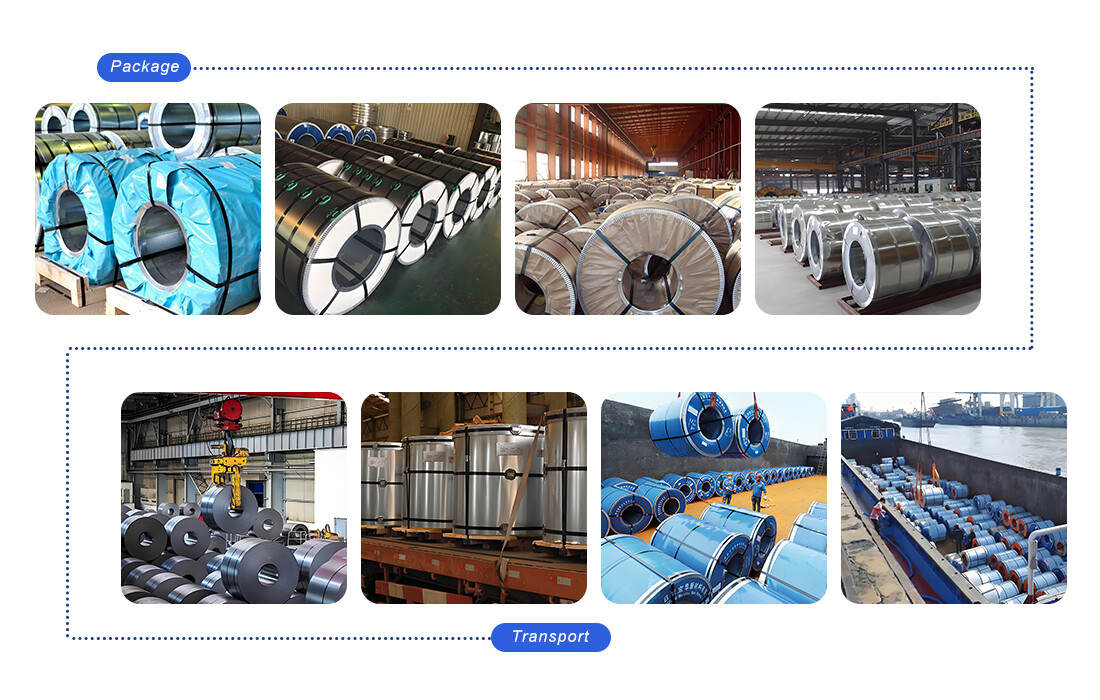
Packaging and Shipping
Get Your Free Quote Now!
Related Products
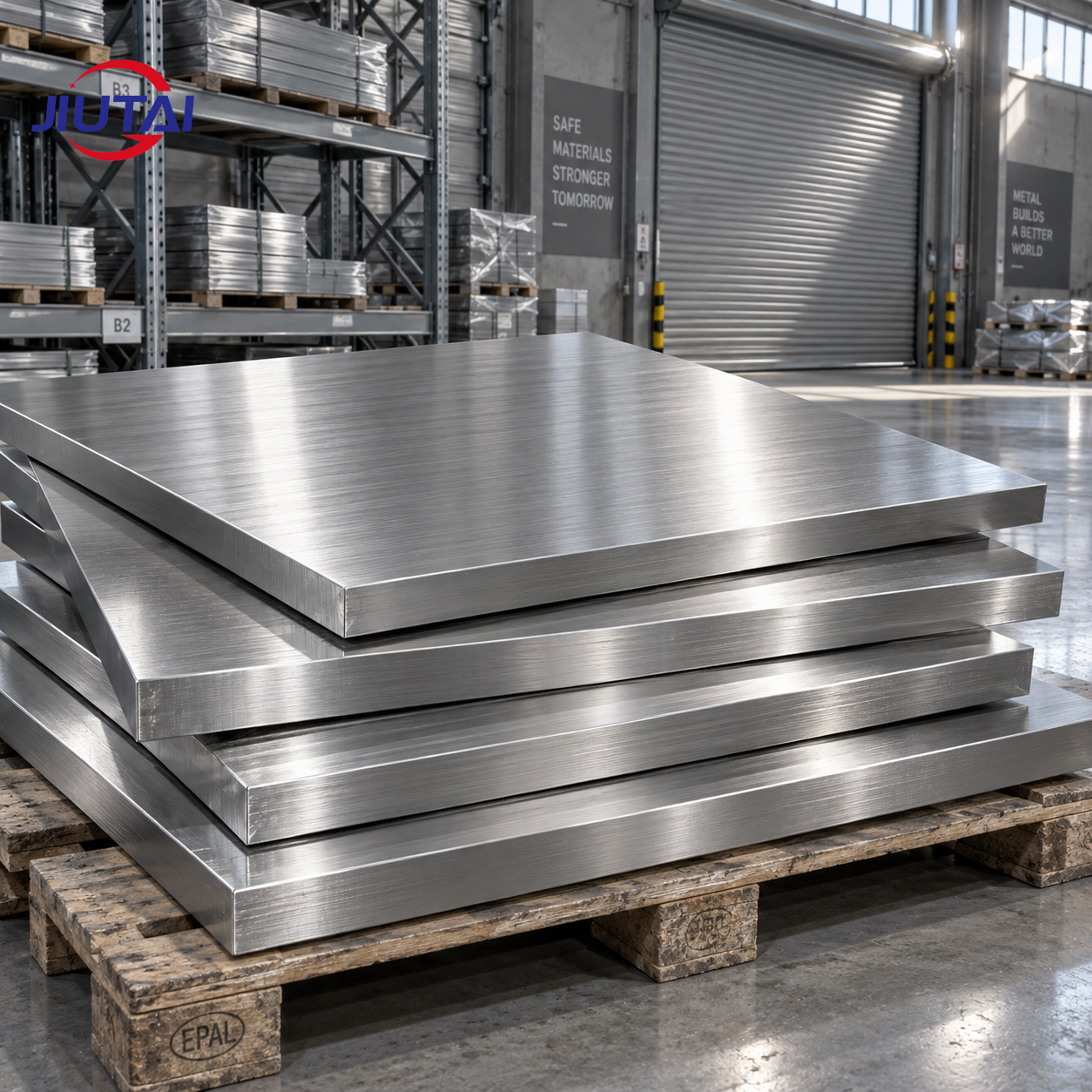
 ASTM A240 304 Stainless Steel Sheet & PlateSheet and plate is what you want when the part is flat and cut rather than wound — tank shells, vessel heads, flanges, base plates, wall cladding, cut profiles. Coil is the same material in a different form; if your line takes a continuous wound length, see our 304 Coil & Strip page instead.
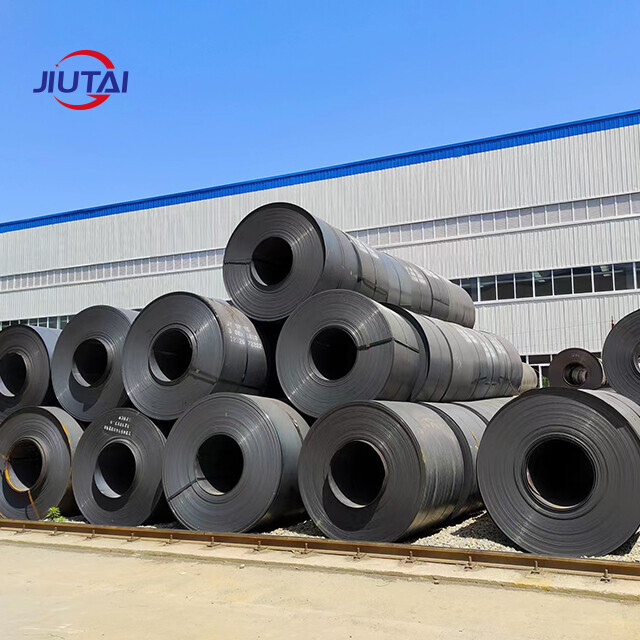
 Carbon Steel CoilCarbon steel coil is a commonly used metal material with wide applications in many fields. It has good mechanical properties and processing properties and is widely used in automobile manufacturing, shipbuilding, construction, bridges and other fields.
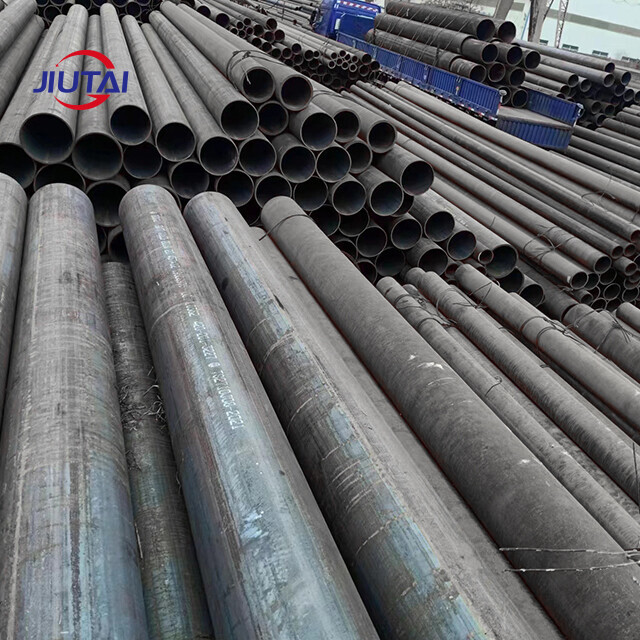
 Seamless PipeSeamless pipe is a long strip of steel with a hollow section and no seams around it. According to the cross-sectional shape, seamless pipes can be divided into circular steel pipes, square steel pipes, special-shaped seamless steel pipes, rectangular seamless pipes, etc. Seamless pipes are widely used in fluid transportation, boiler manufacturing, engineering machinery and other fields due to their unique structure and properties.

Thank you very much for writing to us. Please leave your message and contact information, we will reply to you within 24 hours.